
Underwater Explorations: Family-friendly Dive Spots around the World

Are you considering your next family adventure? Maybe you’re seeking a unique, educational, and exciting way for your kids to connect with the natural world? Well, pack up those beach towels and ready the snorkels, because we have just the thing for you: scuba diving! Believe it or not, diving is not only for adults—it is also a terrific adventure that children can safely enjoy, aiding in their development and sparking a lifelong interest in our oceans. This is more than just a vacation; it’s an educational and transformative experience!
“The sea, once it casts its spell, holds one in its net of wonder forever.” – Jacques Yves Cousteau
Dive into possibilities, as we explore Rumble Fam, the enchanting underwater playgrounds accessible for your little ones. Here, we guide you through the most exciting, kid-friendly dive spots, critical safety tips, and gear essentials, ensuring unforgettable family memories, and possibly, a new passion for your child. Adventure. Education. Conservation. That’s what this underwater journey is all about.
Making Memories: Family Bonding Time Underwater
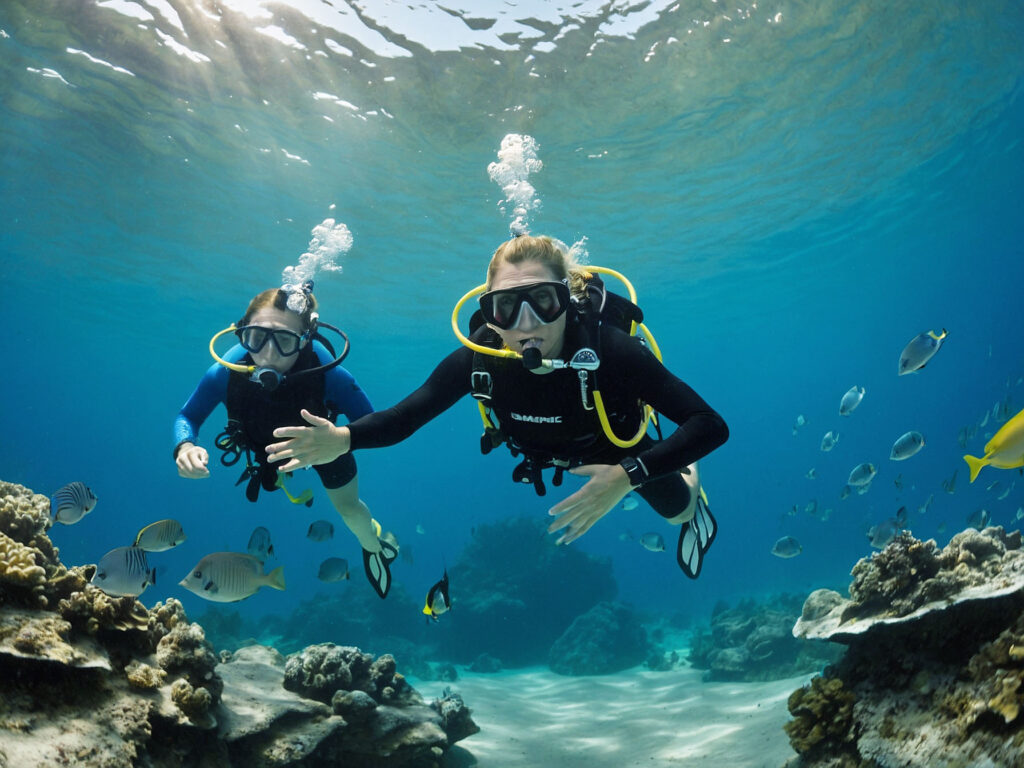
Diving as a family can bring about moments that stay etched in memory for a lifetime. Those moments when you and your little ones first explore the underwater realm, hand in hand, only add to the magnificence of the seascape. It’s an adventure like no other, filled with brilliant coral reefs, fascinating sea creatures, and submerged sunken treasures waiting to be discovered.
Imagine the wide-eyed awe of your children as they come face-to-face with their favorite sea animals in their natural habitat. Imagine the joy in their hearts when they share these incredible, vivid experiences with you. The bonds fostered in these shared explorations can be a great way to build family unity and foster an appreciation for the environment.
All these exciting escapades become tangible memories, which you can record in photos and videos. These cherished keepsakes serve as constant reminders of the magic you discovered together beneath the waves. What can be more enjoyable than flipping through these images on a lazy Sunday, reliving those exhilarating exploits, and planning your next diving adventure?
Family diving isn’t just about fun and adventure; it’s about growing and learning together. As you dive with your kids, you’re not only introducing them to a whole new world but also teaching them valuable skills such as responsibility, patience, and trust. So, embark on this undersea journey, capture unforgettable family memories, and let the vast oceans be your playground.
Discovering Aquatic Amusement: Top Family-Friendly Dive Spots
Exploring the marvelous underwater world offers a unique way for your family to bond and educate young ones about the importance of marine conservation. Let’s dive in and find out about some of the most accessible and kid-friendly dive spots that you’ll love.
Grand Cayman, Cayman Islands: Famed for its crystal-clear waters and rich marine life, the Grand Cayman offers shallow diving spots, ideal for young divers. The bustling sea life at Stingray City or Seven Mile Beach is sure to enthrall kids and adults alike.
Great Barrier Reef, Australia: This largest coral reef system in the world is home to an abundance of colorful sea creatures and fascinating corals. Many diving operators here offer family-friendly trips that incorporate both educational lessons about marine conservation and exciting dive experiences.
Hawaii, USA: Hawaii is not just about surf and sand. The diving sites around these magnificent islands are kid-friendly too, with calm beach entries and mild sea conditions. At Hanauma Bay, kids can encounter vibrant reef ecosystems while learning about the importance of preserving these delicate habitats.
Bonaire, Caribbean: Known as a diver’s paradise, Bonaire boasts of designated kid-diving spots, with many diving schools providing training for children. With its calm turquoise waters, shallow diving areas, and teeming aquatic life, it offers an unforgettable underwater adventure for the entire family.
While location is a key factor, it’s also essential to remember that a great family dive spot is more than just beautiful marine life and calm waters. It’s about finding a destination that offers good learning opportunities, safety measures, and above all, a great deal of fun underwater. So, pack your gear, take the kids, and get ready to dive into a memorable family adventure.
Making Waves: The Benefits of Diving for Kids
Imagine the thrill of your child bubbling with excitement after encountering a majestic sea turtle or a vibrant school of fish for the first time. Beyond the sheer joy and exhilaration of this new experience, diving offers a range of health and educational benefits for children.
Diving is a full-body workout, promoting physical fitness and coordination. Muscle strength, endurance and flexibility are improved as children navigate the underwater environment. The breathing techniques used while diving can also enhance lung capacity and improve overall respiratory health.
But the benefits of diving for kids go beyond just physical wellness; it can also fuel intellectual growth. Diving provides an immersive, real-life classroom where children can learn about marine biology, geology, and conservation. Interaction with diverse marine ecosystems can spark curiosity, foster a love for the environment, and encourage children to become earth’s future caretakers.
Diving is likewise an excellent way to develop life skills. It teaches discipline, patience, problem-solving, and important safety measures, all while building confidence and self-esteem. Remember, each dive is a unique adventure, helping kids become flexible and adaptable to new environments and situations.
Finally, diving creates opportunities for shared family experiences, strengthening bonds as you explore and appreciate the underwater world together. So, if you’re planning your next family adventure, why not make a splash and dive in?
Unleashing the Little Explorers: Preparing Your Kids for Their First Dive
The first thing you’ll want to do is ensure your child is comfortable in the water. This can mean starting with basic swimming lessons or simply spending a lot of time playing in the pool. Encourage your child to put their face into the water and open their eyes, gradually working up to having their whole head underwater. This will help them become accustomed to the sensation of water pressure on their eyes and ears, which is a key part of diving.
Once your child is comfortable in the water, you can start to introduce them to some of the basic skills of scuba diving. Many dive centers offer children’s courses where they can learn how to use snorkeling gear, clear their mask, and equalize their ears – all in a safe, controlled environment. It’s important to make this experience as fun and low-stress as possible, so encourage your child to take their time and learn at their own pace.
Regardless of how quick your child picks up the basics, remember that their safety is paramount. That means ensuring they’re physically and mentally ready to dive and are equipped with the right gear. Numerous manufacturers offer child-sized scuba gear and it’s crucial for a good fit. You wouldn’t don an ill-fitted life jacket, would you? The same principle holds here.
Finally, when it’s time for the first dive, focus on creating a positive experience rather than achieving any particular skill level or depth. Take your child to a shallow, clear-water site where they can see lots of fish and other marine life. Remember, the goal is to foster a love of the ocean and diving, not to tick boxes on a checklist.
With the right planning and precautions, diving can be a safe, rewarding experience for kids. So take your time, make it fun, and help them discover a whole new world beneath the waves.
Suit Up for Safety: Essential Diving Gear for Kids
Equipping your little ones with the right dive gear is of paramount importance. Diving gear for kids is specially designed to fit them comfortably and to ensure their safety underwater. And remember! Each item picked should suit the specific needs and skills of your junior diver.
1. Kids Diving Mask
The primary purpose of a diving mask is to provide a clear field of view underwater. Choose a mask that fits securely onto your child’s face without feeling too tight. With hundreds of designs on the market, let your kids pick a mask that they love. That way, they’ll look forward to putting it on and mastering their underwater adventuring.
2. Kids Snorkel
Snorkels should be easy for children to breathe through. Make sure it’s the right length for your child. You want something that won’t easily flood, but is also not too long that it becomes difficult to breathe. Some snorkels come with a purge valve, allowing kids to clear the water effortlessly!
3. Kids Fins
Fins should be lightweight, durable, and of course, the right size. Ensure they are not too tight to avoid blisters but still snug enough that they won’t fall off during a dive. Adjustable straps can accommodate growing feet, thus offering you better value for money.
4. Kid’s Dive Computer
Last but certainly not least, a dive computer can greatly enhance your child’s diving experience. This handy gadget will help keep track of dive times and depth, facilitating their understanding of diving patterns. It also adds an extra layer of safety, making sure they don’t ascend too quickly.
Equipping your child with quality, well-fitted diving gear is the first step to introduce them to the wonders of the underwater world. Make sure you prioritize safety while keeping the gear fun and appealing. After all, your goal is to foster a love of diving that will last a lifetime.
FAQ’S
We understand you may have questions about preparing for this thrilling underwater adventure with your little ones. The safety of your family is paramount, and knowing what to expect can help ensure a memorable and enjoyable experience. Let’s dive into some of the most frequently asked questions about embarking on a family diving expedition.
Which dive spots are most accessible for kids?
Dive spots that are known for their kid-friendly accessibility are often those that offer calm, shallow waters with clear visibility. Key locations include the Florida Keys in the United States, where the reefs are teeming with intriguing aquatic species and are only a short boat ride away. Also, the Great Barrier Reef in Australia provides variety in marine flora and fauna and is accessible even for beginner divers due to the shallow reefs.
Apart from physical access, areas with dive schools or resorts that offer specific programs for children are ideal. In Southeast Asia, popular places like Bali in Indonesia and Phuket in Thailand are commended for their dive schools, where the instructors are specifically trained to work with children. They offer programs that cater to kids as young as eight and ensure the diving conditions are suitable and safe.
Another factor to consider is the travel distance and ease of reaching the dive destination. Choosing a spot closer to home can minimize potential travel fatigue and maximize the diving fun for your little ones.
What safety measures should be taken when diving with kids?
First and foremost, the importance of training can’t be emphasized enough. Ensure your little adventurers undertake a kid-friendly training course before taking the plunge. The Professional Association of Diving Instructors (PADI) offers courses specifically designed for youngsters, providing them with much-needed confidence.
Adult supervision is a non-negotiable aspect of kids’ diving. It’s crucial to have certified adults closely monitoring them at all times. This guarantees swift support and reduces anxiety. You might also consider enlisting the help of a dive professional for an added layer of safety.
Establish clear communication underwater. Devices such as underwater writing slates and dive lights are great additions to your gear kit. They not only provide an essential communication channel but promote a sense of independence in your kids.
Teaching kids about the potential hazards underwater is also essential. Familiarize them with common marine species they might encounter, guiding them on respectful interaction without harming themselves or the ecosystem.
Lastly, diving is about enjoyment, not endurance. Set a comfortable and manageable diving limit for your children. Maintaining their energy reserves is crucial for their safety and delight.
What are some tips for making diving a fun experience for the whole family?
Embracing the dive as a shared adventure is an effective approach to ensure fun for the whole family. Creating excitement, particularly around discovering different marine species, can inspire enthusiasm and curiosity in children. Show them pictures and videos of the colourful fish, playful dolphins, or graceful sea turtles they might encounter during a dive.
Before launching into open waters, consider practice sessions in a swimming pool. This type of training beforehand will help your kid get comfortable with their gear and the sensation of being underwater, without overwhelming them with ocean depths. Remember, it’s not a race, but a journey. Let them get comfortable with the water at their own pace.
A critical part of the fun is instilling a sense of accomplishment after every dive. Celebrate their progress by creating a logbook or an underwater scrapbook documenting the colorful marine life you’ve encountered. Not only does this highlight the fun, but it also adds a lovely educational flavor to the diving experience.
Lastly, incorporating games and challenges can add a dose of excitement. Simple games such as underwater treasure hunts, identifying different marine species, or even taking underwater photos add a competitive edge which keeps kids engaged and interested. Keep in mind that it’s all about balance though – make sure it’s a fun challenge and not a source of pressure.
In essence, the key to making diving a fun experience for the whole family lies in framing the sport as an ongoing adventure, loaded with discoveries, achievements, and underlying fun elements. It’s about promoting an atmosphere of exploration, learning, and above all, enjoyment.
Are there any dive spots that are particularly educational for kids?
Absolutely! There are several kid-friendly dive spots that combine excitement and education, allowing your little ones to learn about marine life while enjoying their underwater adventure.
Take, for example, Bonaire National Marine Park in the Caribbean. It’s designed for dives of all ages and skill levels. This park provides an immersive learning experience about the conservation of coral reefs and marine life. The most attractive part of the dive site is its wealth of coral and aquatic creatures living in a protected environment.
Another splendid spot is The Great Barrier Reef in Australia. Known as the world’s largest coral reef system, here, your kids can marvel at the large biodiversity and learn about the importance of preserving this natural wonder. It offers shallow dives and calm waters, which are perfect for children and beginner divers.
Furthermore, The Blue Heron Bridge in Florida is renowned for its dive site offering a closer look at various fish species, seahorses, and rare creatures. This dive spot is favored for its shallow depth and calm waters – ideal conditions especially for kids fearing deeper dives.
Remember, the goal is not only to dive and explore but also to educate your children about the importance of marine life and conservation. These spots are just a starting point; there are numerous other locations around the world that are both thrilling and educational for dive-loving families.
How can I teach my kids about marine conservation during a dive?
Marvelous question! Teaching your kids about marine conservation during a dive can be both an enlightening and rewarding experience.
First off, take advantage of the unique, tangible learning environment. The underwater world is a living classroom, teaching your kids about different marine creatures they are likely to see. Before you dive, show them pictures and talk about the importance of these creatures in the ecosystem. Make sure to explain that marine life shouldn’t be touched or disrupted.
Next, let’s churn the current on the topic of pollution. Show them examples of the impacts of trash in our seas if you come across it during a dive, but, remember, safety first. This can be a powerful visual lesson about the effects of pollution on marine ecosystems.
Moreover, involve them in activities like beach clean-ups and local conservation initiatives. A hands-on experience can elevate their understanding of the importance of preserving marine life, thus nurturing a generation that truly cares about the ocean.
Lastly, make a habit of discussing the dive, asking them what they enjoyed, what surprised them, and what they learned. This promotes an active engagement with their experiences and helps reinforce the lessons learned.
By incorporating these ideas into your dives with your kids, you’re not only fostering their love for the ocean but creating young stewards of our precious marine ecosystems.