

Street Art Safari in Lisbon, Portugal

Welcome to Lisbon, a city that effortlessly weaves together the ancient with the contemporary, the traditional with the unconventional. You’ve heard of the famous yellow trams zigzagging their way up the narrow, hill-climbed streets; you know of the historic Alfama district with its many miradouros offering stunning views of the city; and you’re well aware of the bustling nightlife in Bairro Alto. But beyond these well-trodden tourist paths, there’s a lesser-known, yet highly-vivid side to Portugal’s capital city – Street Art.
Imagine turning a corner and unexpectedly coming face-to-face with a technicolored tiger spanning the height of a residential facade, or walking down a quiet, cobblestone path, only to stumble upon a life-size portrait of a girl, her eyes mirroring the tangible melancholy of centuries past. This exhilarating world of art is not enclosed within the walls of a hushed museum, but out in the fresh air, all around you, whispering stories of the city’s past, present, and future.
“Lisbon’s street art is not just vandalism or destruction of public property; it is creativity bursting forth from every nook and corner, it’s the voice of the marginalized, it is beauty amidst chaos, it’s a knitted, vibrant tapestry of Lisbon’s soul.”
From the poignant and political to the playful and mischievous – Lisbon’s street art has it all. In this guide, let’s pull back the curtain and take a deeper look into this colorful realm, where art meets activism, and imagination paints the city’s walls.
Exploring the Vibrant World of Lisbon’s Street Art
Lisbon’s streets are a colorful canvas, a living, breathing art gallery that speaks volumes about its vibrant, dynamic personality. Wander around the city and you’ll stumble upon compelling works of graffiti, murals, and installations that beautifully blend art, social commentary, and urban culture.
There’s a raw, street-smart authenticity to Lisbon’s urban art scene that captures the city’s spirit. Its roots trace back to the rebellious 1970s when the dictatorship era ended, and the city erupted with expressive, politicized graffiti. And though the form has evolved over the decades, some elements have remained unchanged. Today, the city’s frescos still serve as daring channels of self-expression and as societal mirrors, bravely narrating stories from the city’s past, questioning its present and dreaming about its future.
From the captivating murals that reflect important social issues to the provocative works of talented national and international artists, Lisbon’s street art has played a tremendous role in revitalizing neighborhoods and attracting art aficionados from around the globe.
The city celebrates this unique, urban art form through regular street art festivals and hotbed of creativity and a melting pot exhibitions, making Lisbon a of diverse artistic styles. The annual Lisboa Urban Art Festival, for instance, invites artists to transform the city’s nooks and crannies into intriguing masterpieces, setting it ablaze with color and innovation.
An exploration of Lisbon’s street art isn’t just about appreciating the aesthetics; it’s about connecting with the city’s heart, understanding its pulse, and appreciating its rich history, culture, and ethos. Each graffiti invites you to pause, observe, and reflect—making your travels more meaningful, enlightening and memorable.
Whether you’re an art fan, a cultural enthusiast, or a traveler looking for something extraordinary, journeying through the avenues and alleys of Lisbon’s street art scene will make your heart race with exhilaration. Let the walls speak to you, let the streets tell their tales, and allow the world of Lisbon’s street art to engulf you in its magnetic charm.
Murals with a Message: Social Issues in Lisbon Street Art
Lisbon’s street art scene is more than mere aesthetic expression; it’s a mirror held up to society, a conduit through which the artists vocalize their views on pressing social issues in Portugal and the world. Renowned for its socially conscious graffiti, the city is a hub for street art with deep significance.
One exemplary artist is MaisMenos (PT), whose work often grapples with politics and economics. Using stark black-and-white color schemes, his art aims to provoke thoughts, questioning the world’s capitalist systems, and challenging societal norms. His murals can be found scattered around Lisbon, assuring the city’s status as an open-air museum.
Fascinatingly, the expression of social issues through street art in Lisbon isn’t a new phenomenon. The art form has evolved from its rebellious origins, matured through periods of socio-political turbulence, and now stands tall as an ever-present commentator on modern-day issues. Whether it’s immigration, inequality, or climate change, Lisbon’s street art speaks volumes.
In 2008, the Lisbon City Council recognized the importance and potential of this unique form of artistic expression. After a debate with graffiti writers about the future of urban art in Bairro Alto, a compromise was reached. The decision was taken to transform Lisbon into a gathering place for street artists, making the city’s walls a canvas for social discourse and critique. Now, these striking murals form a thought-provoking backdrop to everyday life in Lisbon.
Beyond political and economic commentary, Lisbon’s street art also reflects the human spirit and its capacity for resilience. Even amid global uncertainties, this art form celebrates the power of creativity and unity. It also works as a catalyst for neighborhoods’ revitalization and tourist attraction, wrapping the city in a colorful embrace while telling tales of its rebellion, determination, and drive for progress.
Street Art Capital: Why Lisbon Attracts Global Graffiti Artists
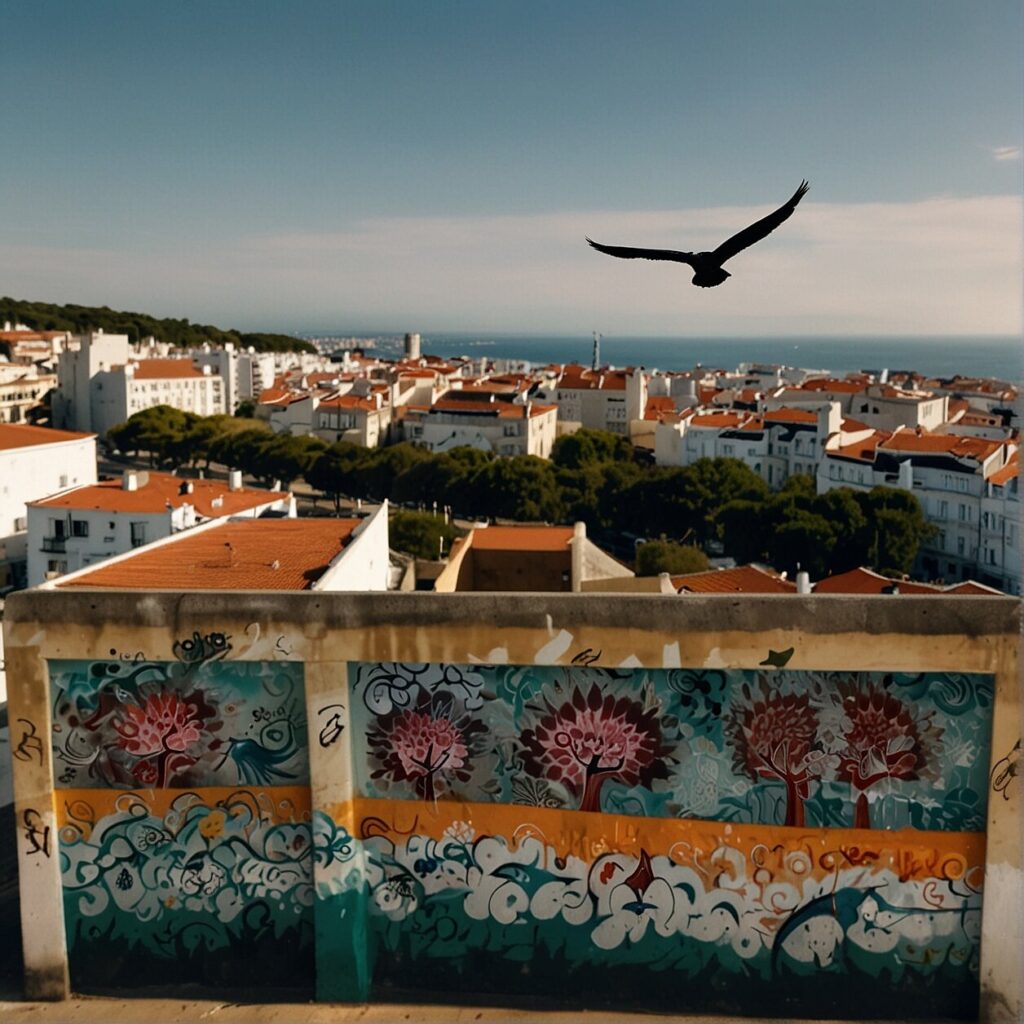
Lisbon’s commitment to fostering street art is unique, making it a magnet for world-renowned graffiti artists. In 2008, the City Council decided to put the city’s streets and walls to good use on a larger scale, turning Lisbon into a welcoming hub for street artists. This progressive step not only opened doors for local talent but also drew international artists to its vibrant cityscape.
Its reputation as the ‘street art capital’ then stems from its municipal support, community engagement, and a rising number of tourists captivated by the city’s art-filled streets. The city embraces the rebellious spirit of street art while controlling its anarchic tendencies. It’s a careful balancing act that Lisbon has managed to achieve, transitioning from the early days of rebellious graffiti to a citywide celebration of creativity and diversity.
Furthermore, the rich cultural heritage in Lisbon is mirrored in its street art. The intertwining of history with the artists’ personal narratives and bold expressions fosters diversity. This interplay of tradition and modernity is another reason why the city attracts street artists both locally and globally.
The birth of urban renewal projects also played a significant role in Lisbon’s transformation into a street art hub. The city council actively seeks out artists to engage in these beautification projects. Far from just beautification, this strategy conveys an endorsement of street art’s ability to provoke thought, inspire dialogue, and commemorate the city’s journey through time. Its streets offer more than just a canvas—they foster a platform for creative expression and political representation.
In sum, Lisbon’s attractive appeal for graffiti artists is the outcome of a unique blend of historical charm, cultural richness, cultural policy, and an engaged community that both appreciates and contributes to its ever-blossoming street art scene.
Spray Can Stories: The Artists Behind Lisbon’s Street Art
You can’t truly appreciate Lisbon’s vibrant street art scene without discovering the dynamic talents propelling its evolution. Artists behind the spray can are not just leaving aesthetic imprints; they’re narrating the tale of contemporary Lisbon through tangible, vibrant visuals. Let’s journey through the creative minds molding these urban masterpieces.
A notable figure in Lisbon’s street art sphere is MaisMenos (±), a politically-charged project by Portuguese artist Miguel Januário. His black and white designs, often contrasted with powerful, provoking words like ‘Democracy’ and ‘Liberty’, echo societal issues under the scope of deeper criticism, stimulating both visual and intellectual stimulation.
Visiting Lisbon’s quieter neighborhoods, you may come across work from the enchanting Tamara Alves. Straddling the line between the surreal and real, Tamara’s pieces often feature animals and humans entwined in a dreamlike dance – a potent reflection of Lisbon’s diverse culture converging onto the unifying canvas of urban space.
Another artist making waves is Bordalo II, known primarily for his large-scale installations crafted from tossed aside rubbish. With recycled materials forming the beating heart of his work, Bordalo II forces a lens onto environmental concerns. His vibrant ‘Trash Animals’, inhabiting the city’s nooks and crannies, are a vivid reminder of the increasing problem of waste in our surroundings.
Just as varied as their artistic styles are these artists’ narratives, echoing the social, political and cultural heartbeat of Lisbon, a city that thrives on diversity. The streets of Lisbon, a captivating playground of artistic expression, voice its dynamic mood and reinforce the street art culture as an authentic, societal mirror.
Street Art Tours: Best Routes for a Cultural Safari in Lisbon
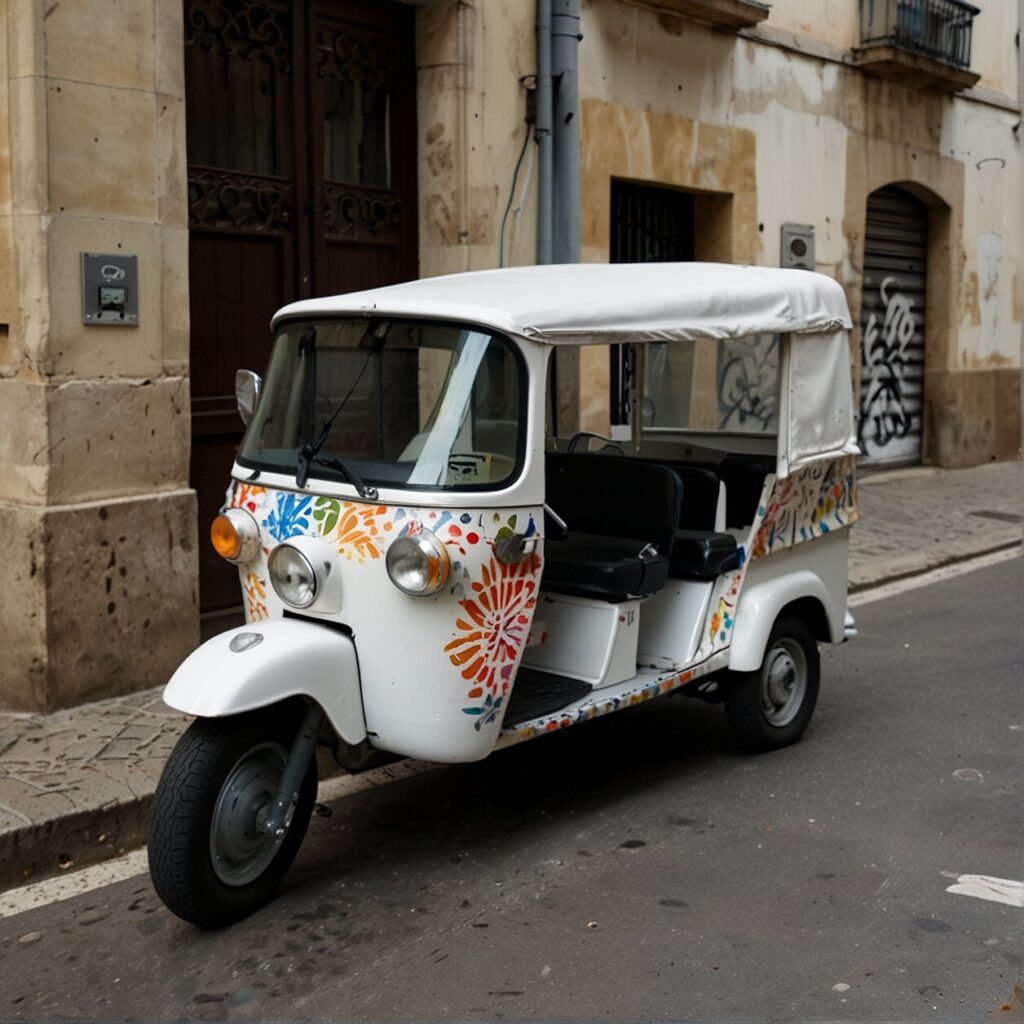
Embarking on a street art tour in Lisbon isn’t just about tracing the city’s colorful corners. It’s essentially a journey that offers a unique lens to view and understand the social, cultural, and political dialogue that resonates within the city’s heartbeat.
The best way to start is undeniably the Mouraria neighborhood, widely celebrated as the city’s artistic cradle. The route here is filled with provocative street art pieces that echo the area’s traditional and multicultural vibes. Nourishing your appetite for thought-provoking art, the poignant pieces by notable artists like MaisMenos (PT) take you on a socio-political voyage.
Your next destination should be the Graça neighborhood, known as the city’s ‘cultural supermarket.’ The area is famous for its beautiful murals that beautifully capture the essence of Lisbon’s stories and its inhabitants’ lives. Here, you will witness how the raw energy of the city’s graffiti fuses with the intricacies of its history and culture.
The urban safari aligns next towards the Amoreiras walls, a vibrant and accredited open-air museum. Unleashing the creational prowess of both local and international artists, this space radiates a contagious spirit of freedom and creativity. Consider it your close encounter with Lisbon’s modern art revolution.
Finally, end your tour at the LX Factory, a creative hub tucked under a sweeping bridge. It’s the epitome of Lisbon’s street art scene, where derelict structures are transformed into captivating canvases. Coupled with avant-garde galleries and pop-up exhibitions, it’s the art paradise you won’t want to miss.
In essence, a street art tour in Lisbon is much more than a stroll past vivid murals and graffitied facades. Be prepared to embark on a cultural expedition, reflecting the city’s journey through time and the voices of its artists.
FAQ’S
As we dive deeper into the exploration of Lisbon’s electrifying street art scene, you might find yourself brimming with questions. In this section, we’ve compiled some of the most frequently asked questions, to clear up any confusion and help optimize your understanding of this dynamic art culture. Let’s dig in and get the answers straight from the horse’s mouth!
What are the most famous street art works in Lisbon?
If you take a leisurely stroll around Lisbon, you’ll encounter an array of iconic works that have elevated the city’s global status in the street art scene. These masterpieces not only adorn the city’s walls but echo the voices, stories, and issues that form the city’s unique fabric.
The vibrant neighborhood of Quinta do Mocho is a must-visit, boasting over 100 murals; it’s like an open-air museum displaying some of the best street art in Lisbon. Here, each brush stroke paints a narrative of social realities, community upliftment, and persistent creative spirit.
In Bairro Padre Cruz, one cannot miss the thought-provoking stencil that reads ‘Applauses’ by MaisMenos – a critique of societal structures and mainstream media. Nearby, Mário Belém’s old advertising poster ‘Dream Higher’ inspires viewers to transcend limitations, while Felipe Pantone’s kinetic art offers a riveting intersection of color, motion, and digital culture.
The work ‘Rivers’ by Borondo is yet another iconic piece, its fluid strokes akin to rushing waters; a poetic expression of Lisbon’s relationship with the sea. The cityscape is further punctuated with Mathieu Tremblin’s interactive, online poll result street art – these bar charts provide a visual commentary on popular opinion, stirring up engaging dialogues among passerbys.
Each of these works, in their unique way, encapsulates Lisbon’s street art scene – a melange of creativity, political discourse, and cultural immersion.
What are some popular themes in Lisbon’s street art?
Diving into the themes prevalent in Lisbon’s street art, it’s easy to become engulfed in the city’s vibrant energy and passionate sentiments. Themes reflect a wide array of social, cultural, and political dimensions.
One of the most pervasive themes is social commentary. Explicit criticisms of social and economic disparities are common, with artists often shedding light on societal issues through their work. For example, the street artist MaisMenos often creates black and white stencil pieces commenting on the political scene and state of Portugal’s economy.
The celebration of culture and heritage is another theme that echoes through the narrow, graffiti-adorned streets of Lisbon. Artists reflect their pride in Portuguese identity, tradition, and history in their works. You can find walls enriched with renditions of Fado singers, historic figures, and traditional elements of Portuguese lifestyle.
Street art in Lisbon also carries a strong theme of urban beautification and rejuvenation. Many decrepit buildings have been transformed into vibrant art pieces, showing a clear intention to use creativity to revitalize neighborhoods. These transformations highlight Lisbon’s commitment to reinvent and reclaim derelict public spaces through artistic expression.
Moreover, there are many pieces that encourage the viewer to engage with questions of reality, perception, and social constructs. Through a mix of surreal and abstract art, creators invite audiences to question their worldviews and challenge their notions about the society they live in.
In a nutshell, Lisbon’s street art serves as a landscape of colorful dialogues, with each artist passionately using their aerosol cans to give voice to issues, explore cultural values, and challenge societal norms. As a spectator, you get an engaging and thought-provoking tour through the heart and soul of the city.
Are there any guided tours focusing on street art in Lisbon?
Indeed, Lisbon hosts various guided tours dedicated to exploring its vibrant street art scene. With a unique blend of informative sightseeing and deep cultural immersion, these tours take visitors on an artistic adventure through the city’s historic streets and enigmatic neighborhoods.
These experiences are curated and led by local art enthusiasts, ensuring an authentic and interactive way to explore the city’s urban art. They will guide you through labyrinthine streets, pointing out hidden gems, and offering insightful commentary about the artworks, the messages they convey, and the artists who created them.
A typical tour starts in the city’s downtown area, then winds its way through eclectic neighborhoods like Mouraria and Bairro Alto. Amid their historic architecture, these districts are filled with extraordinary murals and graffiti that showcase the socio-political facets of Lisbon’s culture and history.
Whether you’re a street art novice or a seasoned enthusiast, these tours offer a new perspective on Lisbon – a city where every street corner narrates a fascinating story through vibrant colors and thought-provoking imagery.
Finally, most of these tours operate on a ‘pay-what-you-wish’ basis, making them accessible for travelers on a diverse range of budgets. So, if you’re looking for an unconventional way to explore Lisbon, a street art tour might be just the thing.
How is street art in Lisbon influenced by local culture?
Lisbon’s street art has a strong foundational influence from its distinctive local culture. The city’s rich and diverse history, coupled with Portugal’s southern European position, gives it a unique perspective that finds catalyst in its street art.
Lisbon’s historic neighborhoods, like Alfama and Mouraria, present myriad visual narratives that echo the city’s past and its evolution. A splash of vivid colors on old brick walls smile back at you, telling stories of epochs gone by, cultural exchanges in the age of explorers, or even of loss and revival following the devastating earthquake of 1755. Street art in Lisbon doesn’t merely exist—it breathes life into the city’s fascinating past.
Moreover, communities in Lisbon have grown to embrace street art as part of their identity. The artists draw inspiration from the everyday lives of these communities, their unique habits, social norms, struggles, and celebrations. Whether it’s a wall painting of the revered Fado singers or engaging graffiti representations of local sport rivalries—they all bring a sense of personal connection and regional flavor to the art pieces.
This harmonious interplay between the everyday life and street art in Lisbon isn’t just coincidental. In 2008, the City Council of Lisbon decided to turn the city into a haven for street artists. This strategic move not only empowered the local artists, but also played a crucial role in revitalizing neighborhoods, attracting tourists, and sparking dialogues around urban planning and incremental beautification projects. Street art, therefore, serves as an innovative form of cultural ambassadorship in Lisbon, marking the city as a vibrant hub of creativity and diversity.
So, as you explore Lisbon’s street art, remember that you’re not just viewing images on a wall. You’re stepping into a cultural dialogue—each brush stroke, each spray of paint, is a piece of Lisbon’s vibrant, ever-emerging culture, speaking volumes about the city’s past, its present, and its hopes for the future.
Are there any annual street art events or festivals in Lisbon?
Yes, indeed! One of the first events to come to mind is the celebrated Lisboa Urban Art Festival, an annual extravaganza that lauds the vibrancy and ingenuity of street art. It’s one of the ways Lisbon continues to foster its burgeoning reputation as a mecca for global graffiti artists.
This festival brings together artists from around the world, each adding their unique creative touch to Lisbon’s urban landscape. Highlights often include live mural paintings, graffiti performances and street art workshops, providing a richly immersive experience for street art savants and enthusiasts alike.
Aside from the annual festival, the city also offers an array of street art exhibitions and guided tours where you can dive into Lisbon’s dynamic and diverse street art scene. The City Council of Lisbon, acknowledging the power of street art to reinvigorate neighborhoods and boost tourism, made a significant stride in 2008, transforming the city into a compelling gathering spot for street artists.
The city’s enthusiasm for street art doesn’t stop there; even if you miss these events, you’ll find that the entire city is an open-air museum. The street art scene in Lisbon represents an evolution from rebellious beginnings to the present-day celebration diversity, and the ind of creativity,omitable human spirit. Art has indeed found a home in Lisbon, brightening up walls while provoking thought and dialogue on crucial social issues.
Be it the swell of a crowd watching an artist at work at the Lisboa Urban Art Festival or the quiet contemplation of a passerby in front of a poignant mural – the annual events and everyday occurrences in Lisbon continue to add to the rich tapestry of its street art culture.