
Ultralight Backpacking for the Business Professional

Packing for business travel can often feel like a heavy burden, both literally and figuratively. The struggle of cramming essentials into one compact bag, all while keeping the weight manageable can seem impossible. And let’s not even talk about the often-overlooked issue of volume. However, it’s a universal business travel conundrum that we’ve all been tasked with cracking. How to condense everything you need into your modest backpack without sacrificing your vital gear or your stylish image.
Well, you’ll be glad to know there’s an art to this, a method that goes beyond just ‘hoping it all fits in’. Welcome to ultralight backpacking for business professionals. It’s about maximizing efficiency, reducing weight and volume, and ensuring you’re equipped for all your corporate missions without being held back by a lumbering load.
“Ultralight backpacking is not just a technique, it’s a game changer. It’s about packing smart, not packing light.”
Our mission is to guide you on how to embrace this technique in your business travels, to keep you moving with ease and prepared with everything you need. So, keep scrolling for clever, practical advice to help you go light without going without.
The Art of Packing Light for Business Travel
When it comes to packing light for business travel, it’s a blend of art and science. You’ve to master the art without falling into the trap of over-packing. Agreed, it’s quite a tricky situation!
Canvasing through the quieter pages of Jardine’s book, you can uncover blueprints to create your own ultralight pack. This can be an excellent starting point to enlighten your backpacking gear.
But it isn’t always about the pack’s weight, is it? Alta insists on considering the comfort levels and your individual preferences while managing pack weight. One backpacker’s necessity might be another’s luxury.
For example, some might prefer a slightly heavy pack because it offers more compartments, easy access, or maybe it just feels right. Ultralight backpacking is all about replacing traditional backpacking gear with lighter options, but it’s essential to strike a balance between comfort, functionality, and weight. Perhaps, Alan’s Complete Ultralight Backpacking Guide For Beginners could serve as your bible to achieve this balance.
Remember, the goal of ultralight backpacking isn’t to endure hardship, but to enhance the joy of travel. Your backpack’s weight shouldn’t eclipse the reason for travel, it should facilitate it. So keep comfort at the heart of your decisions, and you’ll master the art of packing light in no time!
Essentials of Ultralight Backpacking for Business Professionals
Setting the stage for an ultralight journey doesn’t mean you have to ditch your professional essentials. The key is to simply swap out heavier items for their lighter counterparts – without skimping on functionality. It’s a world where compact laptops, e-paper tablets, and hybrid clothing pieces come into play. Trust me, it doesn’t take long to replace a hefty burden with a manageable load.
Consider your tech essentials. Laptops, for instance, are available in more lightweight versions without compromising on power or performance. An e-paper tablet can conveniently replace piles of paper documentation. Your phone, obviously, is a necessary item – opt for an all-in-one device that also includes your camera, alarm, notepad, and more. And the good news? Chargers now come in compact versions, and multi-port options mean you only need one for all your gadgets.
Regarding clothing, it’s all about versatility and layering that fosters a professional image. By selecting thin, lightweight materials that can be layered, you can easily transition from a day in the boardroom to a casual dinner outing– all from one compact set of clothing. Consider packing the minimum number of items from each clothing category and ensure they are interchangeable to create different outfit combinations.
Finally, don’t underestimate the lightweight value of mini toiletries. Big bottles of shampoo or tubes of toothpaste add excess weight. Opt for travel-sized versions – or better yet, solid alternatives. They’re not only compact but also adhere to the stringent airline restrictions on liquids.
Achieving the ultralight pack is an art, it requires you to make thoughtful and informed decisions about what goes in your pack – decisions that weigh functionality against necessity. But once you master it, you’ll wonder how you ever managed with a heavier load!
Balancing Between Necessities and Minimalism
With the paradox of ultralight backpacking for business travel, the challenge lies in striking the right balance – ensuring you’ve got all your essentials covered while still keeping things minimal. Your bag may bear a lighter load, but you shouldn’t compromise on professional outcomes or personal comfort. So here comes the question: How can you optimize this delicate trade-off between necessities and minimalism?
One could do well to keep in mind that expectations of comfort also vary uniquely among individuals. Hence, evaluating your personal need against the weight-budget of your backpack bears critical importance. It’s not always about going for the lightest items, but leaning towards what enhances your productivity and comfort in a business setting.
Here’s a helpful tip to navigate this issue effectively: Instead of adding to your backpack, try to eliminate unnecessary items first. Consider each item’s necessity and utility before packing it. If an item doesn’t serve multiple purposes or isn’t absolutely essential, it’s better left at home. This method not only ensures a lighter pack but fosters a focused and minimalist mindset as well.
Cutting out redundant, non-essential items would customarily lead to a significant reduction in weight. However, adopting this measure does not suggest that you compromise on critical factors such as a nutritious balanced diet, and hydration. Innovative weight-saving techniques, such as frequently resupplying consumables and opting for lightweight water purifying devices, can help strike the right balance.
Ultralight gear, from talented makers and online resources, can further bolster your efforts towards achieving the nirvana of minimalism without sacrificing your needs. These include offerings from custom, cottage brand offerings, online sales, or even gently used gear obtainable from various platforms.
By combining practicality and mindful selection of resources at hand, you can harness the best of both worlds – carrying what you truly need and preserving the spirit of a minimalist lifestyle while traveling for business.
Prioritizing Your Items for Ultralight Travel
Traveling light is all about embracing minimalism without breaching the boundaries of necessity. Now, let’s dive in and explore how you can tactically select and prioritize items for your next ultralight business trip.
Finding the right gear is the initial step. Know that an ultralight backpack’s typical weight is between 5 to 6 pounds. Thus, the choice of your backpack contributes significantly to reducing overall weight. Start with a lightweight pack, as it’s critical for lightening up your gear. Then gradually add essentials, diligently prioritizing them based on their relevance and importance.
Ultralight enthusiasts capitalize on cutting luxuries and unnecessary parts, replacing them with lighter, more compact alternatives. For instance, if you’re an avid reader, consider substituting those heavy books with a lightweight e-reader. This way, you can carry hundreds of books in a device that weighs less than a single paperback.
Something else to consider are consumables like water and food. These form an integral part of your weight and volume calculations. Instead of carrying large amounts of food and water, pack only what you need for the journey, and plan to refill when necessary at your destination. In some cases, carrying a small, lightweight stove and fuel may be beneficial, letting you prepare meals using locally available resources.
Another aspect to consider is your accommodation – if you need to pack a tent or sleeping bag, there are ultralight options available that can save considerable space and weight. Look for recommendations from experts or fellow ultralight backpackers to choose the most effective and compact gear.
In essence, the secret lies in finding balance, meticulously prioritizing your items, and actively seeking lighter alternatives. Just remember, every ounce and every square inch counts!
Reducing Backpack Weight: A Step-by-Step Guide
If you’re aiming for a lightweight backpack, there’s no better place to start than with the pack itself. Go for an ultralight design, where every ounce is carefully accounted for. While traditional backpacks can weight up to 4 lbs, ultralight models can be around 2lbs. If you’re crafty, you can find directions for making your own ultralight pack in Alan Jardine’s definitive guide for ultralight backpacking beginners.
After your pack, the next most substantial items are likely your sleeping and shelter system. Let’s call them the ‘big three’: your pack, your tent, and your sleeping bag. Aim for an aggregate weight of around 6.5 lbs. Achieve this target by opting for an ultralight tent and a lightweight sleeping bag. There are plenty of guidance online that give recommendations suitable for your needs.
Consider your footwear next. Hiking boots can be hefty, so think about switching to trail running shoes or lightweight hiking shoes. They’re apt for most terrains and can considerably lessen your load.
The food you bring has a huge impact on the total weight and volume of your backpack. Opt for high-calorie, compact snacks such as nuts, dried fruits, cured meats, cheese, and energy bars. Not only do these save space, but they also provide the adequate energy you need for the journey. Experts suggest aim for about 1.1 kg to 0.57 kg per day of food for multi-day hikes.
Finally, re-evaluate and prioritize. Remember that the aim is to successfully balance between minimalism and necessity. Declutter, categorize, and try to quantify the value each item contributes to your trip. Remember that each ounce you shed contributes directly to a more comfortable, agile, and satisfying journey.
With these steps and a thoughtful approach, you can significantly reduce the weight of your backpack and travel light without forgoing any essentials.
FAQ’S
You’ve absorbed plenty of tips and tactics on how to lighten your backpack for business travel so far. Intriguingly, there’s always more to explore. Perhaps, you’ve got some specific questions or doubts that still need addressing? Let’s delve into some frequently asked questions to get those nagging uncertainties settled.
What items should I avoid to keep my backpack light for business travel?
To keep your backpack light for business travel, it is crucial to carefully consider what items you pack. Avoid packing extra or backup gear as this can add unnecessary weight and reduce the space available for essential items. This doesn’t mean you should go without a backup strategy, but consider alternative options before doubling up on items.
In addition, it’s advisable to scrutinize each item you want to put in your pack. Many travelers may be tempted to carry a variety of electronic devices, such as spare mobile phones and laptops. Consider whether these are truly necessary or whether a single, versatile device could do the job.
Similarly, multiple books and bulky paperwork are things you should avoid carrying in your backpack. Instead, opt for e-books and digital copies of important documents to save space and weight. Remember, every ounce counts when it comes to ultralight travel.
The type of food you carry can also impact the weight and volume of your backpack. Opt for high-calorie, space-efficient snacks such as nuts, cheese, cured meats, and energy bars which will not only save space but provide energy sustainably.
Lastly, resist the urge to manage every possible eventuality by packing for “just-in-case” scenarios. A minimalist approach requires faith in your ability to adapt and problem-solve on the fly. The less you bring, the lighter your backpack will be.
What are some lightweight alternatives to common business travel items?
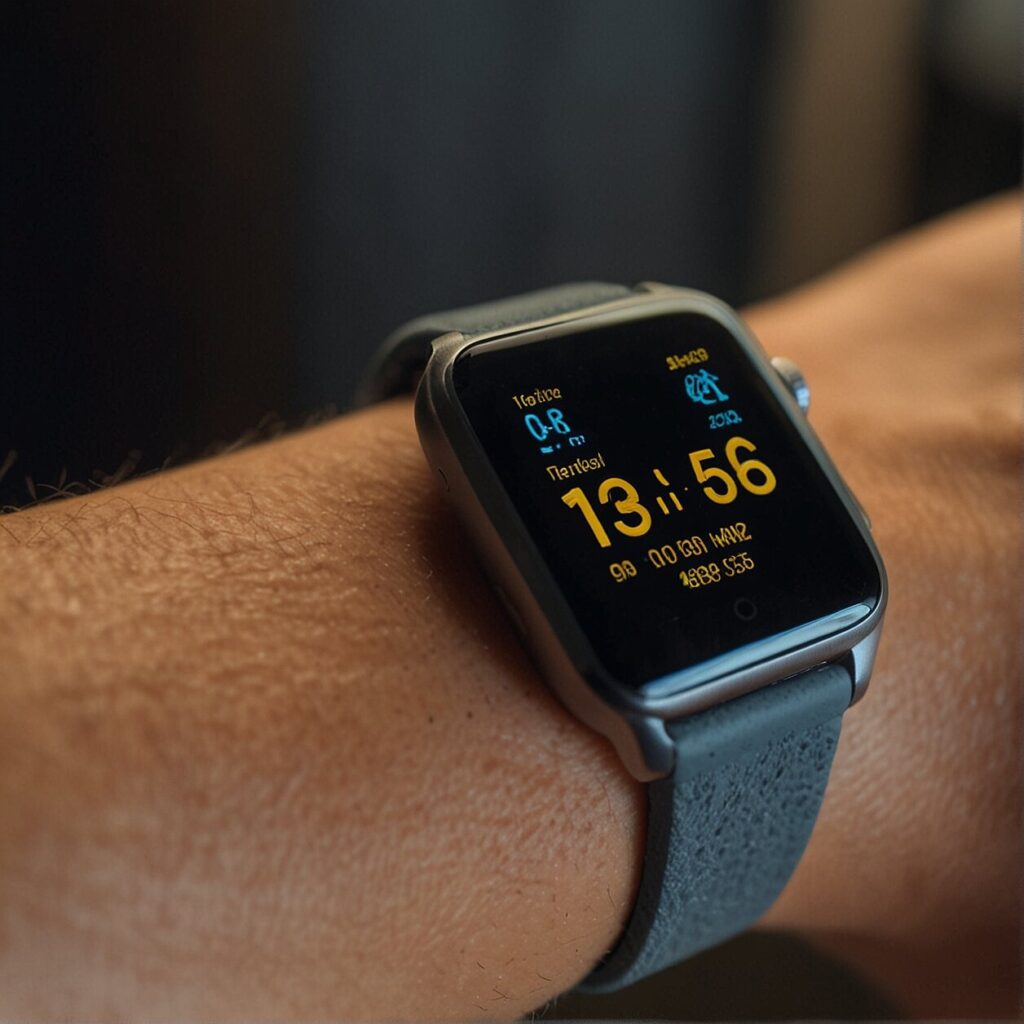
Surely, lightweight business travel still should uphold the level of professionalism required. Hence, you’ll need to substitute your regular business gear with their lighter alternatives. Allow me to usher you into some thoughtful replacements that won’t compromise your professionalism. Laptop Alternatives: To begin with, laptops, synonymous with business travel, can be quite heavy. Ever considered swapping to a tablet or an iPad? Most modern tablets offer similar capabilities to laptops but in a more compact and lightweight package. Pair it up with a detachable keyboard and you have your lightweight ‘laptop’. Paperwork: The digital age graces us with applications and programs to go paperless, which is can drastically cut down the weight. Use digital note-taking apps, cloud storage, and e-books as alternatives to heavy notebooks, folders, and books. Clothing: Pack smart when it comes to clothing. Choose lightweight, durable, and wrinkle-resistant materials. Better yet, opt for versatile pieces that can be worn in multiple combinations, negating the need for multiple outfits. Accessories: Why carry a heavy metal watch when a stylish smartwatch weighs less and offers many more features? Similarly, ditch those chunky cufflinks for their lighter plastic versions. Gadgets: Consider selecting multi-purpose gadgets. For instance, instead of carrying individual devices like a camera, e-reader, and GPS, these functions can all be performed by a modern smartphone.
Are there suitable ultralight alternatives for common heavy business items?
Absolutely! The market today is replete with lighter alternatives for traditionally heavy business items. For instance, laptops, one of the heaviest items in one’s backpack, now have ultralight versions. Brands such as Apple, Dell, and Asus offer laptops that weigh as little as 2 pounds, significantly reducing the weight in your bag.
Offline storage devices, like external hard drives, can be replaced with cloud storage options to further decrease weight. Adobe Creative Cloud or Google Drive are effective solutions for securely storing and accessing your files anywhere.
For pack of papers, consider taking advantage of digital solutions like tablets equipped with stylus pens for note-taking and presenting in meetings. If printed papers are necessary, print on demand at your business location to avoid traveling with heavy documents.
Consider also the weight of smaller items like chargers or power banks. A number of lightweight alternatives for these gadgets are available. Solar power banks, for example, provide considerable power but weigh significantly less than regular power banks. Multi-purpose chargers with multiple USB ports can charge more than one device, limiting the need to carry redundant weight.
Travel-sized toiletries are crucial for ultralight backpacking. Most personal care brands offer travel-sized versions of their products that are perfect for short-term business trips.
Finally, as a business professional, you may be required to wear formal clothes. Lightweight suits made from materials such as tropical wool or synthetic fabrics can replace heavier wool suits.
Remember, every single ounce saved adds to the comfort and ease of your travel. By making thoughtful decisions about the items you pack, you can minimize weight without compromising the essentials of your business trip.
Can I maintain a professional image while practicing ultralight backpacking?
Absolutely! Ultralight backpacking doesn’t mean compromising on your business image; it’s more about the art of choosing the right thing. Adapting a minimalist mindset means being conscious about what you carry and why. To maintain professional aesthetics, you can prioritize lightweight fabrics for clothing and plan to launder clothes on the road instead of carrying multiple outfits.
Opt for convertible clothing like reversible jackets or shirts, and wrinkle-free clothing to provide different wearing options while maintaining a fresh professional look. As a tip, rolling the clothes instead of folding them also helps to minimize wrinkles while saving space in your backpack. Shoes can be a heavy item to carry around, so consider multi-purpose pairs that can be suitable for both business meetings and leisure time.
Additionally, many traditional business items have travel-friendly versions or digital alternatives. A lightweight laptop or tablet could replace the heavy-duty business laptop, and e-books can replace physical books for your travel time reading. Make sure to carefully assess the practicality and necessity of each item. With the right choices, you can absolutely uphold a professional image while embracing the philosophy of ultralight backpacking.
How to choose the right backpack for ultralight business travel?
Start on your ultralight backpacking journey by selecting the right pack as your partner. The ideal backpack should be resilient, yet lightweight, providing ample storage without adding unnecessary weight. Remember, your backpack is the basic framework when it comes to hitting the road light. Therefore, it’s critical that you make the right choice.
Consider the Gossamer Gear Gorilla or Gossamer Gear Mariposa as your companion. Both are highly recommended for their light weight and durability. They have been proven performers in multi-month thru-hiking adventures as well as shorter alpine trips. If you need a backpack with unique features and unparalleled comfort, you might take a look at the Osprey Exos Pro 55. Its innovative design caters precisely to the needs of the modern business traveler.
Remember, opting for a lightweight pack is just the beginning. You also need to replace your traditional backpacking gear with lighter alternatives. From ultralight tents to lightweight sleeping bags, numerous options are available to steer you in the right direction. Always select gear that’s appropriate for the conditions to save weight and improve performance.
Lightening up your backpack doesn’t imply compromising on your business necessities. It’s all about striking the right balance and smartly choosing ultralight alternatives that function as well as their heavier counterparts. By making the correct choices, you can go places with a feather-light backpack, without sacrificing your professional essentials.
Are there suitable ultralight alternatives for common heavy business items?
Absolutely! Emphasize is on replacing heavier items with their ultralight counterparts. Today’s market boasts a wide range of lightweight alternatives for almost all commonly used business items, thanks to the ultralight gear revolution.
Let’s consider a few examples. Traditional laptops can be quite heavy, but lightweight laptops and tablets are now readily available, offering similar computing power in a fraction of the weight. You could swap your bulky paper notebooks for a digital notepad or a lightweight, slim notebook with thin yet sturdy pages. Other items, like hefty power banks, can be replaced with slim, high-capacity portable chargers.
Outfit choices also play a significant role. Investing in lightweight, wrinkle-resistant, multipurpose clothing items can drastically reduce the amount of clothes you pack. Opt for clothes made from performance fabrics; they’re not only lightweight, but also quick-drying – perfect for travel.
Moreover, the cost and maintenance of these alternatives are now less of a problem. There are talented makers creating custom ultralight gear, along with robust online sales, used gear platforms, and cottage brand offerings.
Finally, for consumables like water, food, or fuel, careful planning goes a long way. Consider lightweight, nutritious food options like dehydrated meals and carry only what you’ll need.
Rather than sacrifice, simply swap. Trade-up for lighter versions of your travel gear, and you’re well on your way to a lighter, comfortable travel experience.