Health and Fitness Preparation for Backpacking Adventures

Embarking on an adventurous backpacking trip can be a thrilling experience. Whether you’re scaling the heights of a towering mountain or trekking through wild back-country, each journey offers unique opportunities for physical and mental growth. However, the success of your adventure hinges significantly on the physical and mental preparation you undertake before setting foot on the trail. How can you ensure that you’re as well-prepared as possible?
This detailed guide provides extensive insights into preparing your body and mind for a fulfilling, exciting, and safe backpacking trip. Let’s delve deep into beneficial physical workouts, mental readiness techniques, dealing with challenges on the trail, meal planning, and the importance of pre-trip health checks.
The adventure isn’t only about the journey itself. It’s also about the meticulous preparations that precede it – ensuring that you’re fit, mentally ready, and well-equipped to face what lies ahead. You will find in this guide all the necessary information to be well-prepared for your next backpacking adventure.
- Physical Workouts: Preparing your body for the strenuous activities that backpacking entails
- Mental Preparation: Strengthening your mental toughness and resilience
- Dealing with Challenges: Mastering your fears and dealing with unexpected situations
- Meal Planning: Making sure you have the right nutrition before and during your trip
- Pre-trip Health Checks: Why medical clearance is a prerequisite for a safe journey
Preparing Your Body: Essential Physical Workouts for Backpacking
Embracing the thrilling world of backpacking means understanding the importance of physical preparation as well. With preparation, not only will your stamina be enhanced for the trek, but also your overall enjoyment and experience of the adventure will be heightened.
Let’s take a closer look at some practical ways to strengthen your body in preparation for your backpacking expedition.
Firstly, consistent cardiovascular exercises cannot be overemphasized. This could be as simple as jogging or brisk walking, which bolsters the heart and lungs’ resilience, allowing you to maintain an excellent pace on the trail. It’s a fine strategy to gradually introduce a loaded backpack to your fitness routine, simulating the weight you’ll be carrying during your actual adventure.
Next in the series of exercises for backpacking trip preparation is balance training. Balance workouts, like yoga and standing on one leg, can significantly improve stability, which is paramount when navigating uneven or rocky terrains. A stronger balance will also lessen your susceptibility to injuries.
Walking on different surfaces is another beneficial exercise. For instance, beach walking is quite effectual in building strength and endurance, due to the sand’s resistance. Moreover, it will help you adapt to the varying trail surfaces you may encounter on your trek.
Keep in mind that it’s not about overtaxing yourself but gradual progress. Beginning with a light workout routine and escalating it over time is crucial. Consistency is the key to prepping your body for a challenging yet exciting backpacking adventure.
Lastly, to ensure that your body is in the best condition for the trek, consider easing off intense workouts a few days before the trip. This allows your body time to recover and rejuvenate. Balance is necessary for all aspects of backpacking preparation, from physical workouts to recovery times.
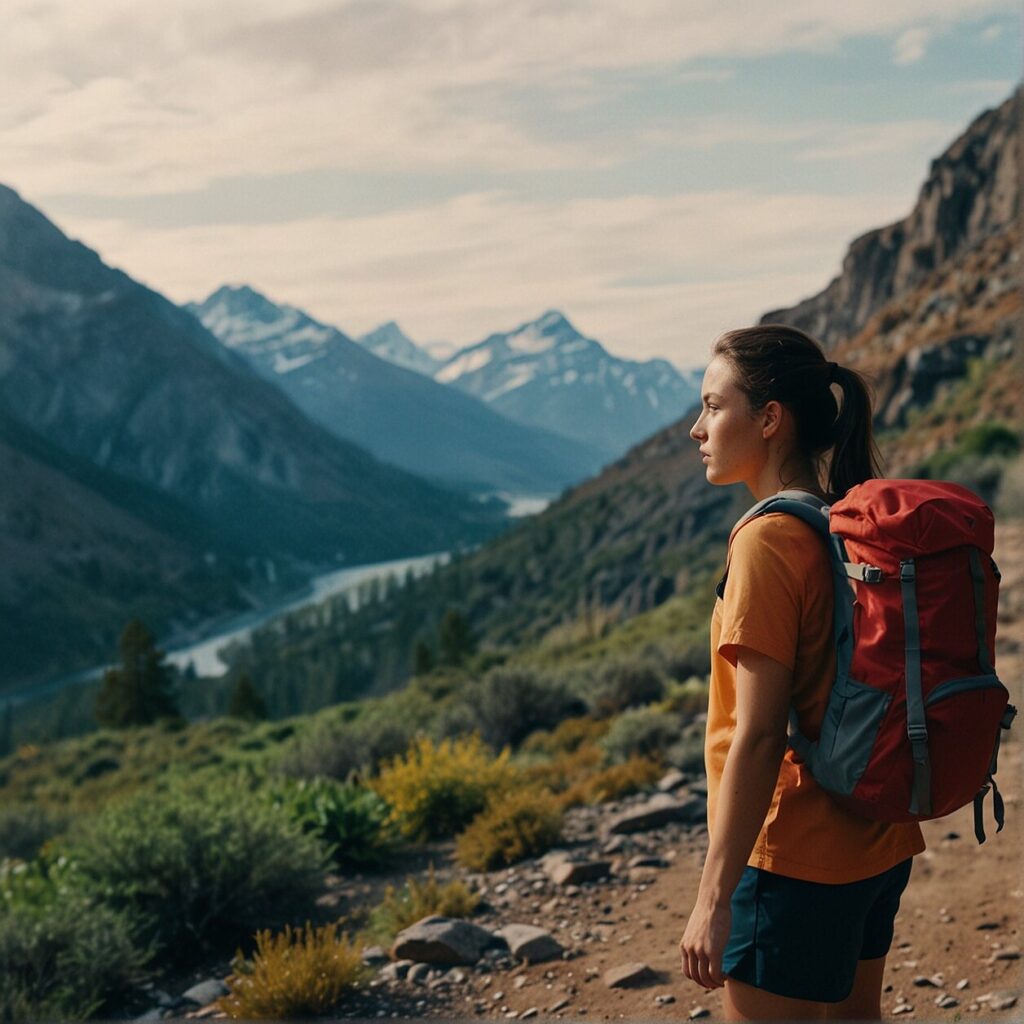
Mental Toughness: How to Mentally Prepare for Backpacking Adventures
Fostering mental strength is just as critical as physical preparation for embarking on a backpacking adventure. Backpacking often involves unforeseen circumstances and various challenges. It’s the strength you carry in your mind that will help you persevere through the unexpected turns.
Starting with problem-solving skills, you need to sharpen your ability to think on your feet. Practice puzzles, engaging in outdoor sports, and participating in team building activities can stimulate your problem-solving ability. This will enable you to quickly adapt and make sound decisions when confronted with obstacles on your trek.
Mindfulness is another vital aspect of mental preparation. It keeps you grounded, enables you to stay present, and helps you navigate unfamiliar terrains with calmness. Start by practicing mindfulness activities such as yoga, meditating, or simply spending quiet time in nature.
Backpacking can also be a test of your endurance and resilience; hence, it’s crucial to train yourself mentally to face difficult or uncomfortable situations. Pushing your boundaries in a controlled environment, for instance, trying out high-intensity workouts or cold showers, can help improve your mental toughness.
Familiarize yourself with potential risks and stressors that you might encounter. Understanding common trail challenges, weather conditions, and basic wilderness survival can desensitize fear and anxiety. It will also ensure you’re mentally prepared for a diverse range of scenarios.
Finally, remember to pack distractions such as books or music along with you. These not only help pass time during the lonely moments, but they can also provide a sense of comfort and familiarity that can boost your morale when you’re away from home.
Cultivating these mental strengths and arming yourself with knowledge, awareness, and positivity will pave the way for a more fulfilling, lower-stress backpacking adventure.
Mind Over Matter: Psychological Tips for Dealing with Challenges on the Trail
Backpacking can be an intensely physical experience, but the mental aspect of the journey is just as essential. Harnessing mental fortitude can often mean the difference between enjoying the adventure and feeling overwhelmed. Here, we outline several strategies to build your psychological preparedness for your next backpacking adventure.
Firstly, consider practicing mindfulness. Mindfulness is the art of being fully present and engaged in the moment, aware of your surroundings and your feelings without distraction or judgement. To hone this skill, take regular walks in nature and immerse yourself completely in the environment. Notice the textures, colors, sounds, and even smells around you. This practice trains your brain to remain calm and observant during your backpacking adventure, better equipping you to handle unexpected challenges.
Next up, visualize your journey. Visualization is a powerful tool often used by athletes to mentally rehearse their strategies before the big game. In the same vein, it can be beneficial for backpackers. Visualize yourself traversing different terrains, reacting calmly to potential hurdles, and reaching your destination successfully. This mental rehearsal can boost your confidence immensely, reducing anxiety and stress on the actual path.
The solitude of backpacking can be both liberating and challenging, especially for those embarking on a solo trip. To navigate moments of solitude, consider packing a few simple distractions, from a good book or journal to a compact set of watercolor paints. These small items can provide a mental break, enriching your adventure rather than adding weight to your pack.
Last, but certainly not least, is the practice of expressing gratitude. Reflect on the journey, embrace the challenges, and express gratitude for the experience and learning. Remember, every step you take is bringing you closer to your goal and making you stronger in the process.
Arming yourself with these mental strategies can transform your backpacking adventure from a physical outing into a chance for personal growth and self-discovery.
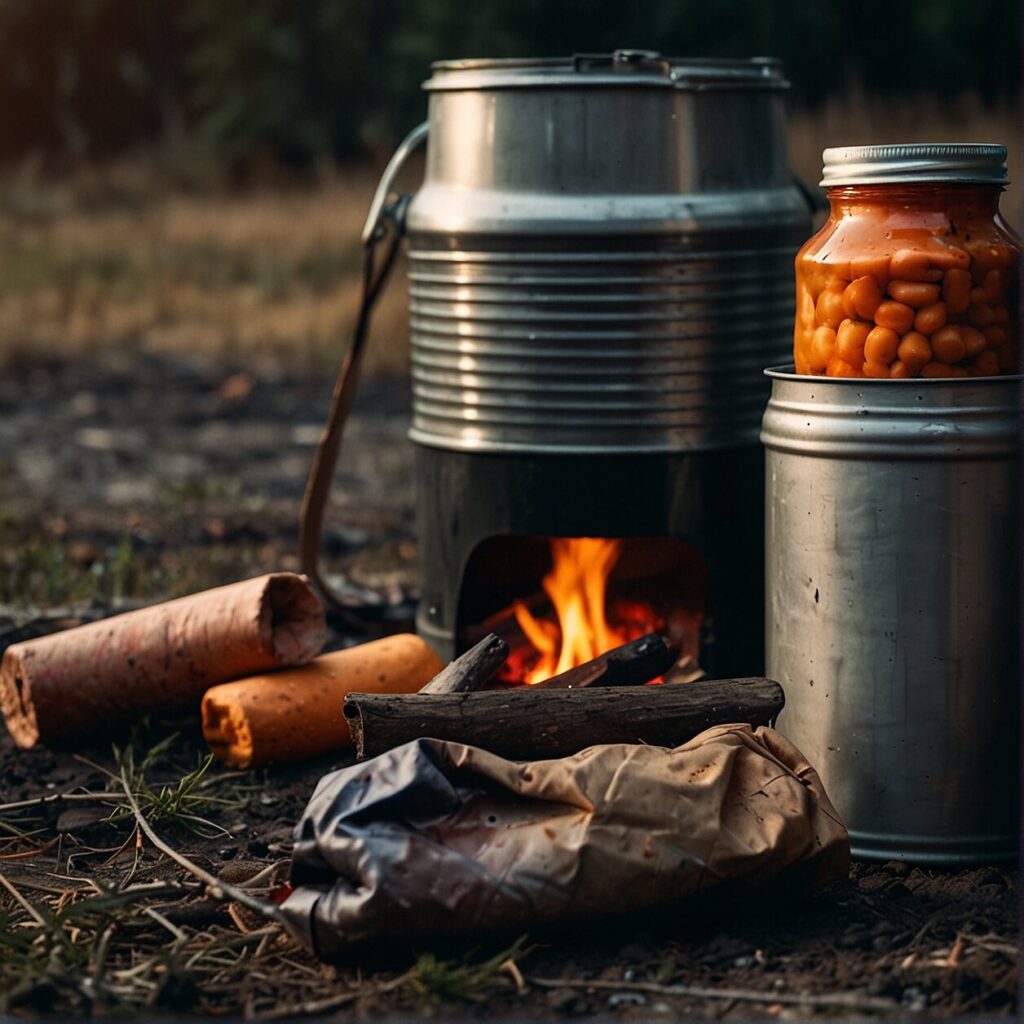
Packing Light, Eating Right: Meal Planning for a Backpacking Trip
Packing light doesn’t mean compromising on nutritional needs. Your backpacking trip meals should be rich in vital nutrients to sustain energy levels throughout the journey. Let’s delve into the steps to plan your meals efficiently for an adventurous backpacking trip.
First things first, breakfast is the most crucial meal of your day, especially on a backpacking trip. Oatmeal accompanied by dry fruits can be an energizing pick. Pack some instant oatmeal sachets and dry fruits like almonds, walnuts, and raisins for a quick, nutritious, and no-cook breakfast. Opt for whole grains, they’re high in fiber and proteins which you’ll need to kick start your adventurous day.
For lunch and snacks, consider nut butter sandwiches, energy bars, and trail mix. These are high in protein, easy to pack, and do not require any cooking. Again, remember that proteins are your body’s primary source of energy. They help in muscle building and recovery, which is essential during a physically challenging venture like backpacking.
Dinner should be your comfort meal after an exhausting day. Quick-cook rice or pasta pouches accompanied by canned tuna or chicken can make a hearty meal. You can also bring instant soups or ready-to-eat meals like Mary Janes Farm Outpost Meals for a convenient, warming dish.
Do remember to pack a lightweight, efficient stove for cooking and boiling water. A small camping stove can be a lifesaver to warm your meals or brew a hot drink on a chilly night.
Finally, hydration is essential. Always carry enough water and electrolyte replenishment drinks. Don’t forget to refill at water sources throughout your journey.
Mainly, doing a trial run of eating, cooking, and packing your chosen meals at home before you head off can be an effective strategy to ensure you’re well-prepared.
Remember, the key to a successful and enjoyable backpacking adventure lies in the balance between packing light and eating right!
Pre-trip Health Checkups: Why a Medical Clearance is Important
Embarking on a backpacking trip requires not just a strong heart, but a healthy body as well. Before you hit the trails, it’s crucial to get medical clearance from your healthcare provider. You may ask, “Why is this necessary?”
Simply put, backpacking is a physically demanding activity. Having a comprehensive medical checkup ensures your fitness for the trip, identifying any potential health concerns that could become hazardous in an extremely active scenario or remote setting. Plus, some adventures, like high-altitude hikes, demand specific physical attributes, and it’s best to know if you’re up to the task.
During your checkup, the doctor can assess your fitness level, considering factors like cardiovascular health, respiratory condition and musculoskeletal system functionality. They can also evaluate your current medications and how they may interact with altitude, strenuous activity, or limited food and water access.
Moreover, your healthcare professional can provide advice on mitigating “backpacker’s health risks” such as altitude sickness, dehydration, and injuries. The information you collect here will guide you in choosing suitable treks and in packing your first aid and medicine kit appropriately.
Hence, prior health checkups are not merely a bureaucratic requirement in some places, but a necessary step to ensure you are ready and capable for the adventure ahead. Remember, the phrase “better safe than sorry” is all the more significant when you’re far away from home, surrounded by the wild. So, prepare, check-in with your doctor, and embark on your hiking journey with confidence!
FAQ’S
Well, here we are. You are just a few steps away from embarking on your grand backpacking adventure. But we understand, even with all the guidance provided, there might still be some lingering questions in your mind. That’s completely normal and trust us, you’re not alone in this. The following FAQ section has been purposely designed to address the most common queries and concerns shared by fellow backpackers. So, go ahead and find those last bits of clarification you need. And pretty soon, you’ll be out there, under the stars and marveling at the beauty of wilderness. Here we go!
What exercises are best for preparing for a backpacking trip?
To prepare your body for a backpacking adventure, a particular set of exercises can go a long way in boosting your strength and endurance. A good exercise regimen should focus on overall body conditioning, but extra emphasis should be put on your legs and core, which will be significantly employed during your trip.
Start with cardiovascular training. Regular jogging, swimming, cycling, or any other form of aerobic activity helps to enhance your stamina and lung capacity. Aim to incorporate at least 30 minutes of cardio into your routine 3-5 times a week.
Strength training is another vital area to consider, particularly lunges, calf raises, squats, and step-ups. They help build leg and gluteal muscle strength, essential for prolonged periods of hiking. Remember to be consistent with these exercises, and gradually increase the load or repetition as your fitness level improves.
Don’t forget your core – exercises like planks, bicycle crunches, and Russian twists enhance core stability which is crucial for maintaining balance under the weight of a backpack. Similarly, exercises such as farmer’s walks and deadlifts can strengthen your back and shoulders, helping you to carry your pack more comfortably.
Finally, balance exercises, such as yoga and pilates, will help you navigate tricky terrain, reducing the risk of slips or falls. You could also try walking on uneven ground, or better yet, go on short hikes with a loaded backpack to simulate the real backpacking scenario.
Remember, the best preparation for backpacking is backpacking itself. So get out there, start small, and work your way up!
What are some healthy eating habits to adopt before a backpacking trip?
Starting a healthier eating routine before your backpacking trip might feel like a chore, especially if you’re new to this. But remember, you’re doing this for your own good. Here are some key strategies to help set you on the right path — literally and figuratively.
First and foremost, a balanced diet is vital. A healthy nutritional plan should consist of lean protein, healthy fats, and carbohydrates. The latter offers the quick energy you need for intense activities, while proteins and fats provide sustained energy. Remember to include plenty of fruits and vegetables as they offer a rich source of vitamins and minerals.
It’s also a great idea to get accustomed to trail food. Yes, your hiking snacks and meals. Dehydrating your own meals is a sustainable, economical option, but if you’re pressed for time, there are ready-to-eat options available. Mary Janes Farm Outpost Meals, for instance, is a good pick. Additionally, you might want to consider stocking up a drawer with your favorite snacks ordered in bulk or homemade trail mixes. These foods are compact, lightweight, and high in nutrients, making them perfect for backpacking.
Lastly, pay attention to hydration. While we often emphasize food, water is just as crucial. Stay hydrated before and during your trip to replenish the fluids lost through perspiration and respiration during hiking. Dehydration can lead to fatigue and could disrupt your journey, so make drinking water a top priority.
By adopting these eating habits, you’re not only preparing for your backpacking adventure but also adopting a healthier lifestyle. So, let’s get you started on this adventure in health and backpacking!
How can I train my body for high altitude hikes?
Adapting to high altitudes is all about gradual progression and giving your body time to adjust. First and foremost, consider visiting destinations of increasing elevation as part of your training. This helps your body learn to process oxygen more efficiently, potentially reducing the risk of altitude sickness.
Next, rev up your cardiovascular workouts. Increase the intensity and duration of your regular hikes, runs, biking, or swimming sessions. Consistently working at a higher heart rate will bolster your lung capacity and strengthening the heart, easing adjustment to thin mountain air.
You might also repeat a regimen of high-intensity interval training (HIIT), featuring brief bursts of high-intensity effort followed by recovery breaks. This pattern closely mimics the stop-start pattern typical of mountaineering, offering a practical and efficient way to build your endurance.
Another great way to prepare for high altitude hiking is by practicing ‘hypoxic training’. This type of training involves exercising while wearing a mask that simulates high altitude conditions by restricting oxygen. While it can be quite challenging, it helps to accelerate the adaptation process and may prove beneficial.
Just remember – safety is paramount in any exercise regime, so ensure you’re listening to your body and never pushing too hard, too fast. Consult with a fitness professional or your healthcare provider before making any drastic changes to your workout routine. Happy hiking!
How to handle emergencies during a backpacking adventure?
Adventures, by definition, can be unpredictable – and backpacking is no exception. Emergencies during a backpacking trip can create a tricky situation, but with the right preparation and knowledge, you can navigate them effectively.
Firstly, knowledge is power. Equip yourself with basic first aid skills and wilderness survival techniques. This includes understanding how to treat minor injuries, recognizing symptoms of heatstroke or hypothermia, and knowing what to do if you get lost. It’s worth considering a short wilderness survival or first aid course if you’re truly aiming to be adventure-ready.
Carrying a comprehensive first aid kit is an absolute must. This should include bandages, antiseptic wipes, tweezers, medical tape, painkillers, and any personal medications. Remember, you must know how to use all items in your kit effectively. It’s no use carrying something if you’re unsure of its function.
Communication tools are your lifeline in case of emergencies. Always carry a fully charged phone with a portable charger, a hard copy map of the area you’re traversing, and a whistle for attracting attention. In remote areas, consider carrying a PLB (Personal Locator Beacon) or a satellite phone.
Stay safe out there, backpacker. Remember, the aim is to enjoy your adventure – and being prepared for emergencies is an integral part of that journey.
How can I ensure adequate rest and recovery during a backpacking adventure?
Any adventurous backpacking trip demands good quality rest. Inadequate sleep and lack of sufficient rest can lead to a reduction in physical performance and energy levels. It can also interfere with the body’s natural healing and recovery processes. Therefore, it’s crucial to ensure that your body gets the downtime it needs.
When backpacking, aim to maintain a regular sleep schedule. Rhythmic sleep patterns help regulate your body’s internal clock and can contribute positively to your overall health and daily energy levels. Prepare your sleeping arrangements before dusk to avoid the struggle of setting up in the dark. Invest in a comfortable, lightweight sleeping bag and if necessary, a quality sleeping pad as well – comfort can make a world of difference when you’re trying to get a good night’s sleep.
Make an effort to remain hydrated and eat nutritious meals throughout the day, this will aid your body’s recovery process and keep you energized. Especially after strenuous hiking, consume proteins that can help repair muscles and tissues. Also, listen to your body. Understanding when to push on and when to let your body rest is invaluable. If your body feels fatigued, give it time to recuperate. Rest breaks throughout the day can help prevent overexertion and exhaustion, keeping you fresh for the upcoming trail challenges.
Lastly, mind relaxation makes as much of a difference as physical rest. Incorporate some relaxation techniques, like deep breathing or meditation, into your routine to help your mind release any stress built up during the day. Just a few minutes spent on mindfulness can vastly improve your mental balance, giving you the peace of mind required for a successful backpacking adventure.