
Living off the Grid: A Unique Home-stay Experience in Alaska’s Wilderness

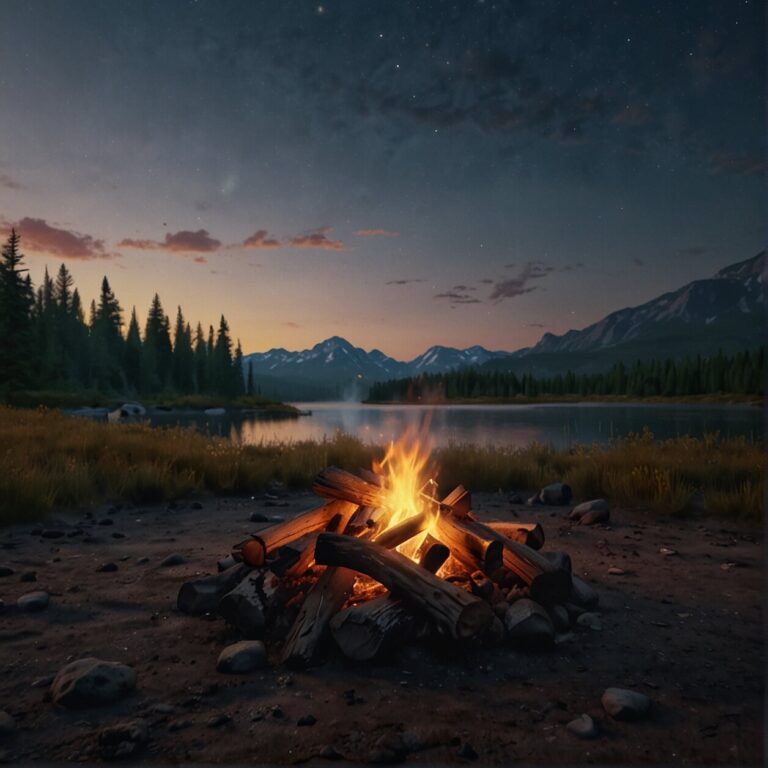
If you’re tired of the mundane routines of city life, yearning for a place untouched by the influence of modern society, and seeking a deeper connection with Mother Nature, then living off-grid in the Alaskan wilderness may just be the adventure you’ve never known you needed. Imagine waking up each morning to the unspoiled beauty of an Alaskan sunrise, fetching water from a river, and chopping wood for a warm, inviting fire. This, dear reader, is not your usual vacation.
“Living off-grid is not for everyone. It is a lifestyle demanding grit, patience, and a profound respect for the unyielding forces of Mother Nature. But for those who embrace it, there is a unique reward: an intimate connection to the earth, a profound sense of self-reliance, and a life experience shaped by the raw basics of existence.”
This article will provide an insightful peek into the challenges and rewards of such a lifestyle. Through a unique home-stay experience in the Alaskan wilderness, you’ll learn about the practicalities of surviving and thriving in such an environment, preparing meals off the grid, and making the transition from city life to wilderness dwelling. Let’s embark on this unforgettable journey together!
The Alaskan Home-stay Experience: A Peek Into Authentic Wilderness Living
Living off-grid in the Alaskan wilderness is as authentic as it gets; a tactile immersion into a world where nature is the architect of every day. As you step away from city lights and into the heart of the untamed, you take a journey not merely through space, but across time. The Alaskan wilderness is a living testament to the continent as it was thousands of years ago: beautiful and indomitable.
What does it mean to truly live, you ask? In the Alaskan wilderness, living off the grid offers a distinct answer. You’ll be staying in a home representative of an off-grid hunt camp, converted with the necessities to make it habitable all year round. It’s minimal living, but it heightens your awareness of your immediate surroundings, the changing seasons and the cycle of life.
Every sound is amplified in the silent woods providing its own unique symphony. The rustling leave underfoot, the hushed whispers of wind passing through trees, and the distant calls of native wildlife all combine to form an enchanting, serene soundtrack. This profound silence can seem eerie initially but eventually, it helps you build a deeper connection with nature and yourself.
On this trip into the wild, as you evolve in your understanding of essential needs and systems, you’ll find new appreciation for conveniences often taken for granted, and delight in newfound skills which help you survive and thrive off the grid. It’s a learning curve, but a rewarding one if you’re open to the experience.
Off-grid living isn’t just about survival. As you adapt to the rhythm of nature, you’ll find a trove of outdoor activities calling out to you. From hiking through lush forests to fishing in crystal-clear rivers or even stargazing on clear winter nights, the Alaskan wilderness is your playground. Not only does this lifestyle provide a sense of adventure, but it also contributes to conservation and allows you to tread lightly on the planet, reducing your environmental footprint.
Overall, living off the grid in Alaska is an experience of growth, reflection, and discovery. It’s about redefining independence, embracing simplicity, and connecting deeply with the natural world. As you step into this new life, remember that the challenges are many but the rewards? They’re immeasurable.
Practical Tips: Surviving and Thriving in the Alaskan Wilderness
Living off the grid, especially in an area as remote as Alaska, might appear daunting, but with a few practical tips and techniques, this unique lifestyle can transform from a far-off fantasy to an achievable reality.
One of the core elements of off-grid living is mastering basic survival skills. You’ll be surprised how quickly you can pick up skills like fire starting, shelter building, or navigation when your day-to-day survival depends on it. For those ready for the challenge, it can be both rewarding and enriching.
Consider food preservation techniques. Fresh produce or a caught fish won’t last forever, especially not in the Alaskan wilderness. Learning to smoke, can, or otherwise preserve your food is a necessity. Canning berries freshly picked or smoked salmon caught that day not only extends the life of your food, but can also provide an immense sense of pride and fulfillment.
But let’s not forget the less glamourous aspects of off-grid living, but equally essential – waste management. Planning your waste disposal responsibly is of utmost importance, as is conserving water and managing your usage of resources.
Indeed, a significant shift you’ll notice while living off the grid is the switch to minimalistic living. But in this simplicity, there’s a purity that’s hard to find elsewhere. It’s not just reducing your ecological footprint, but also garnering a greater appreciation for the resources at our disposal.
Moreover, an important aspect of this lifestyle is being prepared for emergencies, and here self-reliance becomes your best companion. Ensure you know basic first aid procedures and always have a well-stocked kit available. Having an alternative power source, like a solar charger or a backup generator, is also a wise step.
Lastly, while challenges do exist, let us not forget that living off-grid also affords various opportunities for inexpensive outdoor adventures. Traveling to less populated areas, exploring nature, and wildlife spotting can add occasional thrills to the overall serene experience.
Among all the complexities and challenges that come with off-grid living, the one thing you’ll need in bulk is your courage and resilience. With them, this incredible Alaskan wilderness is not only survivable but opens up doors for a lifestyle like no other.

Food for Thought: Preparing Meals in the Heart of the Alaskan Wilderness
It’s time to step out from your comfort zone of convenience and step into the inviting world of self-reliance. Committing to live off the grid, particularly in a place as remote as Alaska, will have you trading trips to the grocery store for the thrill of hunting your own food. Furthermore, you’ll become well-versed in the art of food preservation and adapt innovative ways to sustain yourself through the harsh winters.
There’s not just challenge, but also immense fulfilment in being responsible for your meals from start to finish. From growing your own produce, foraging for wild berries, to setting traps for game – living in the Alaskan wilderness can expand your palette in ways you never imagined.
It’s important to bear in mind that living off the grid requires a shift in diet. Unlike the convenience of supermarket aisles teeming with processed foods at the ready, you’ll be returning to an age-old diet that is not only natural but also rewarding. Over time, you’ll learn to appreciate fresh, homegrown food. You’ll also start noticing how good your body feels without the preservatives and additives packed into store-bought provisions.
Sure, it’s challenging, but with a touch of creativity, your wilderness pantry can transform into a source of delicious, wholesome meals. Mastering the techniques of smoking, fermenting, and canning can help you keep a stock of food ready for the winter months. Learning the process of brewing fermented drinks like Kombucha or making your homemade yoghurt can be satisfying experiments.
Every survival skill you learn, every meal you prepare from scratch, adds to the joy of the wilderness home-stay experience. It’s a process of adapting, learning, and growing.
From Dream to Reality: Preparing for Your Unique Home-Stay Experience
Before you embark on your home-stay experience in the Alaskan wilderness, it’s critical to thoroughly prepare yourself for the journey. Remember, off-grid living is more than mere seclusion. It’s an adventure that challenges your survival skills, tests your adaptability, and redefines your relationship with nature.
It all begins with transforming an off-grid hunt camp into a habitable home. Modern advancements have made this task more manageable than before. Your dwelling can be as straightforward or elaborate as you please, bearing in mind that each choice you make has a direct impact on the sustainability and practicality of your living situation.
To achieve this harmonious balance, planning ahead is non-negotiable. Consider the logistics of your housing, from the availability of resources to the systems you’ll need to set up for heating, water supply, waste management, and energy production.
Embrace minimalism, realizing that you’ll have to adjust to doing more with less. This shift doesn’t mean giving up comfort but rather reprioritizing to focus on what really matters. Here, you’ll discover that pleasures can be found in simplicity, where every item has a purpose and adds value to your life.
Sharpening your practical living skills will also come in handy. You’re about to take on tasks that go beyond regular home maintenance. Think hunting, fishing, maintaining a vegetable garden, or even chopping firewood for heat. Essentially, you’ll gain a deeper comprehension of various systems and basic needs through off-grid living.
As you step into this journey, remember the goal is to build a genuinely sustainable home. In other words, strive to create a dwelling that minimizes environmental impact, maximizes resource independence, and grants you flexibility to operate virtually anywhere. In doing so, you’re not just retreating from the buzz of social life. You are embracing a lifestyle that revels in simplicity, sustainability, and a deep-rooted connection with nature and all it has to offer.
Conquering the challenges of off-grid living begins with thorough preparation. Once you’ve ironed out the logistics, equipped yourself with necessary skills, and mentally prepared for the change, you’ll realize that the perks of this lifestyle far outweigh the hurdles.
It’s time to explore the freedom and fulfillment that comes with off-grid living in the Alaskan wilderness. Close your eyes, take a deep breath, and open your senses to the thrill of living simply, yet boldly. Welcome to your new life in the heart of Alaska.

Breaking Free: The Psychological Shifts of Living off the Grid
Embracing an off-the-grid lifestyle in the Alaskan wilderness is a radical departure from traditional living. And like any profound change in life, it often unveils a gamut of both personal and societal changes. Yet, those daring enough to make the leap often find themselves on a fulfills journey towards greater self-awareness, resilience, and autonomy.
Essentially, living off-the-grid can be likened to resetting your mind and breaking free from societal norms and expectations. Modern life, in all its conveniences, has a tendency to create a dependency trap. You depend on the grid for every major aspect of life – from utilities like water and electricity to goods and services. By contrasting this, off-grid living pushes you to embrace simplicity, explore self-sufficiency, and challenge conventional wisdom.
If there’s one thing you need to remember, it’s that going off-grid is less about surviving without modern amenities and more about redefining the essence of living. Sure, there will be challenges. You’ll likely face situations that push you outside of your comfort zone. But every new day brings an opportunity for learning, growth, and the pleasure of overcoming hurdles.
As you adapt to the cycles of nature rather than the clock, you may notice a shift in your perception of time. The streamlining of your routines, and the allocation of time to truly essential tasks, will help foster a deeper appreciation for the slow pace of life. Thus, living off the grid is not only a physical relocation to a more environmental-friendly and simpler lifestyle but also a deep introspective journey that can lead to self-realization and transformation.
Finally, the solitude that comes with this lifestyle is potent and nurturing. Far away from the hustle and distraction of modern society, you’ll have the time and space you need to connect deeply with your inner self. Personally, most people who’ve embraced off-grid living often cite a deep and abiding sense of purpose, contentment, and fulfilment.
FAQ’S
Before we delve into the unique accounts of the Alaskan wild, let’s address some common queries. Here, in this FAQ section, we’ll touch upon the specifics of what living off the grid in the Alaskan wilderness truly entails. From the challenges and joys it presents, to practical considerations, this section provides a comprehensive response to your most pressing questions. So, without any further ado, let’s get to dispelling the myths and unveiling the facts about the remarkable off-the-grid lifestyle.
How can I experience a home-stay in the Alaskan wilderness?
The process of experiencing a home-stay in the Alaskan wilderness involves careful planning and coordination. Many wilderness enthusiasts take advantage of the local communities and organizations that offer the experience. To begin, research established groups online that provide such opportunities. These organizations have connections with off-grid dwellers who are open to hosting visitors.
Upon identifying a potential host, establish communication early. Understand the basics of what your stay will entail: the general location, kind of accommodation, weather conditions, dietary needs, and the tasks you may be expected to take on. Remember, living off the grid isn’t an average vacation—it will most likely involve some work and a new level of practicality.
One key aspect you must not ignore is insurance. Given the potential risks associated with outdoor activities in the wilderness, it’s highly advisable to get a comprehensive travel insurance package that covers emergencies, evacuations, and any injuries that could potentially occur during your stay.
As you prepare for your Alaskan adventure, be open-minded about the simplicity and tranquility off-grid living has to offer. Pack minimally and suitably for the Alaskan weather, but don’t forget to bring enough layers for insulation and waterproof clothing to keep dry.
The journey to an off-grid lifestyle might be challenging—however, the rewards of living harmoniously with nature and learning new survival skills are irreplaceable. Embrace the escape from the whirlwind of modern life and enjoy the peace and seclusion the Alaskan wilderness has to offer.
What are the challenges of living off the grid in Alaska?
When you decide to live off the grid in Alaska, the bountiful wilderness will undeniably seduce you with its rugged beauty, but it’s important to remember that such a lifestyle presents its unique challenges. And these challenges are not to be trifled with.
The first challenge is the workload. Living off the grid demands constant maintenance and work. Structures must be kept up, gardens cultivated, water sources maintained, and countless small tasks completed daily to ensure survival. There are no repair services or delivery trucks conveniently available here.
Another significant challenge is the need for planning ahead. In a world of instant gratification, the concept of pre-planning may seem alien to many, but in the Alaskan wilderness, it’s a survival necessity. You need to be constantly thinking about your food, heating, and other resources for not just the present, but days, weeks, and even months ahead.
Living off the grid also has a notable financial aspect. Initial costs can be high when setting up an off-grid lifestyle, and this can be daunting. Costs include land acquisition, home construction or modification, necessary tools, renewable energy setup, and stocking up on provisions. Furthermore, while you may not have to deal with daily expenses like utilities or a mortgage, money is still needed for essentials including, fuel, tools, or medical supplies. The key is finding a balance between living inexpensively and ensuring you have cash on hand for these necessities.
Lastly, living off-grid naturally means adjusting to a simpler, more minimalistic lifestyle. Away from the constant distraction of modern life, one has to find pleasure in simple, inexpensive outdoor activities. Exploring the wilds of Alaska, hunting, fishing, reading, and simply appreciating the raw beauty of the wilderness become the go-to activities. This can be a major adjustment for those accustomed to the conveniences and entertainments of urban lifestyles.
In conclusion, while the prospect of living off the grid in Alaska can seem romantic and freeing, it undeniably comes with its fair share of challenges. Those seriously considering this venture need to be fully aware of these realities and prepare accordingly.
What are the essential skills needed for off-grid living in Alaska?
You might wonder, what are the essential skills to survive in this untamed landscape, where the conveniences of modern urban living are stripped away? Here’s a snapshot of what you’d need to know:
1. Self-reliance: This is perhaps the most critical skill. Living off-grid in Alaska would often mean being miles away from the nearest store or emergency services, making self-reliance imperative. This means having the capabilities to deal with emergencies and unforeseen circumstances on your own, such as medical emergencies, food shortages, and extreme weather conditions.
2. Gardening and Food Preservation: Growing your own vegetables becomes vital when you’re living off the grid. In addition to agriculture, you’d also need to master various food preservation techniques like canning, drying, and smoking to ensure you have a food supply that lasts through Alaska’s harsh winters.
3. Water Conservation and Waste Management: Living off the grid challenges you to think consciously about your water usage. Skills like forming rainwater collection systems, understanding water purification processes, and recycling gray water can greatly aid your off-grid lifestyle. Equally important is the management of waste. Composting and recycling become integral parts of daily life.
4. Basic Carpentry: Those living off the grid often need to wear many hats. One day you might find yourself as a carpenter, fixing a porch, building furniture, or patching up your cabin. Basic carpentry skills are essential.
5. Knowledge of the Land and Animal Tracking: Lastly, a deeper understanding of the land around you and the animals that inhabit it can prove beneficial. Whether it’s knowing when and where to fish, recognizing edible plants, or tracking game, these skills can significantly enhance your off-grid survival odds.
This list is a nutshell view; every individual’s experience can be vastly different. However, these skills serve as a foundation for the adventurous soul desiring to answer the call of the wilderness.
What kind of housing is available for off-grid living in Alaska?
From naturally built log cabins to modern eco-homes, housing for off-grid living in Alaska spans a broad spectrum, each offering a distinctive mix of comfort, sustainability, and resilience. A critical thing to note is that your dwelling determines not just your comfort, but the very mechanics of your survival in a region famous for its harsh climate and seclusion.
For those seeking a whiff of traditionalism, log cabins are the quintessential Alaskan off-grid home. Constructed from locally-sourced timber, these homes are remarkably durable and have excellent insulation properties, making them well suited for Alaska’s harsh winters. Living in a log cabin is not just about survival, but a return to a timeless, simpler way of life that brings you closer to nature.
If modernity and sustainability are your watchwords, consider an eco-friendly house. These innovative dwellings often feature renewable energy sources like solar panels or wind turbines, water collection and purification systems, and waste composting facilities. To further increase efficiency and minimize environmental impact, many eco-homes use passive solar design principles, using natural light and heat to their advantage.
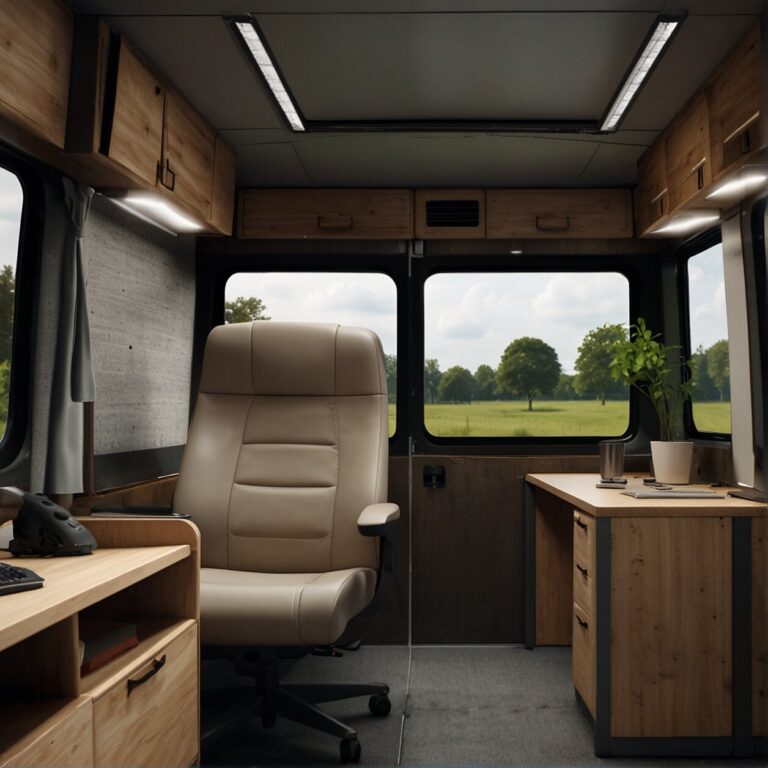
Lastly, for adventure enthusiasts who value mobility, tiny houses and campervans are popular options. Compact yet well-equipped, these homes-on-wheels offer the freedom to move around, allowing you to experience different parts of the Alaskan wilderness throughout the seasons. Remember, living off the grid does not mean compromising on comfort or style!
Whatever your housing choice, ensuring it blends in harmony with the environment while offering you functionality and comfort is crucial. After all, surviving the climate and savoring the splendid isolation of Alaskan wilderness, is all part of the unique home-stay experience!
What are the health and wellness considerations for off-grid living in Alaska?
Living off the grid, especially in a place as challenging as the Alaskan wilderness, necessitates an unwavering commitment to your physical and mental wellbeing. As you immerse yourself in this lifestyle, understand that your health becomes a primary aspect that you simply can’t overlook.
Firstly, the necessity of physical robustness can’t be understated. Due to the active, physically demanding nature of off-grid living, ensure you are in good health and ready for work such as chopping wood, hunting, or carrying heavy supplies. Regular physical exercise prior to embarking on this journey can prepare you for the work ahead.
Facing the low temperatures of the Alaskan wilderness also involves requiring a well-nourished, high-calorie diet. Your body burns more calories in colder conditions, so you’ll have to adjust your meal plans. Dealing with remote geography, cultivating food supplies either through hunting, foraging, or sustainable farming methods could become a necessity.
Apart from the physical aspects, mental health is equally vital. Isolation, especially during the winter months, can take a toll on your mental wellbeing. Mindfulness techniques, regular communication with friends and family, or having a hobby can help maintain a healthy mental state.
Moreover, healthcare services are not readily available in such remote locations. A basic understanding of first aid and carrying a well-equipped medical kit is crucial. Beyond that, planning out how to access healthcare services in case of emergencies becomes crucial.
Lastly, be prepared to adapt your hygiene routines, as modern amenities—like hot showers—are often a luxury. This could mean using a sauna if one is accessible, boiling water for baths, or using hand sanitizers to maintain cleanliness.
Thus, off-grid living is certainly a lifestyle that demands thorough preparedness and adaptability, not just physically, but mentally as well.