
Mountain Biking the Appalachian Trail: A Guide to Untamed Rides

Imagine speeding down forested inclines, your tires crunching on a quilt of leaves and dirt that mark your trail – this is the allure of mountain biking on the Appalachian Trail. Renowned for its stunning panoramas and challenging terrain, the Appalachian Trail is a treasure trove of adventure for avid mountain bikers. Offering a myriad of routes suitable for all skill levels, it is quickly becoming a popular choice among outdoor enthusiasts. But logistics, equipment selection, and safety are all key factors that can make or break your riding experience.
“Mountain biking on the Appalachian Trail is like a high-octane treasure hunt – you’re constantly discovering newfound paths, hidden valleys, and breathtaking views. And trust me, the exhilarating rush of barreling downhill against the wind is a reward like no other.” – Anonymous Mountain Biker
The objective of this article is to provide you with a comprehensive guide to mountain biking on the Appalachian Trail – highlighting the exhilarating route options, recommending the essential gear to equip yourself with, and most importantly, sharing safety tips that will keep you safe while enjoying your pursuit of adrenaline.
Discovering the Best Mountain Biking Trails on the Appalachian Trail
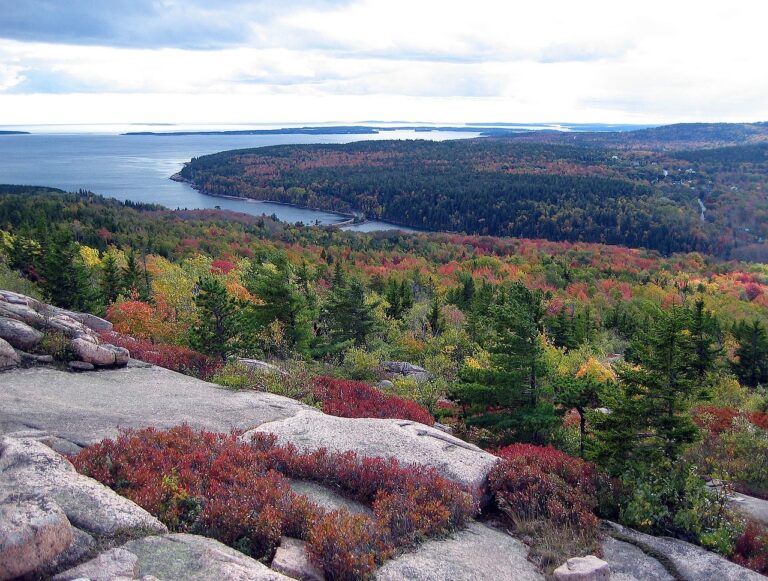
When it comes to the Appalachian Trail, it presents an array of biking trails, each unique in its character and level of challenge. From smooth woodland tracks to steep mountain ascents, there’s a trail for every biking enthusiast out there.
Among the top-rated trails is the Virginia Creeper Trail, a multiuse rail trail that crosses beautiful creeks and bridges. This 34.3-mile path begins in Abingdon, Virginia, and ends close to the North Carolina state line. It’s a scenic choice filled with historic sights, perfect for those who like to combine their adventure with a bit of culture.
If steeper grades and rougher terrains are your thing, then the Slaughter Pen Trail in Bentonville might tickle your adrenaline. This popular path offers various levels of difficulty and is renowned for its challenging technical features, like rock gardens and jumps.
Remember, the uniqueness of the Appalachian Trail’s geography means that there’s a trail for everyone, no matter your skill level or desired challenge. With appropriate planning and preparation, all these trails can give you a thrilling and unforgettable mountain biking experience.
Choosing Your Path: Route Options for All Skill Levels
Mountain biking on the Appalachian Trail offers diverse route options, accommodating every skill level. For newcomers eager to build their confidence, there are plenty of beginner-friendly trails. Soon, you’ll be ready to move on to the more challenging routes.
Newbie Routes: Building Confidence and Skill
If you’re new to mountain biking, we suggest starting your exploration on the Virginia Creeper Trail, an easy-to-moderate route known for its gentle inclines and well-maintained paths. Another excellent starter trail is the Greenbrier River Trail in West Virginia, a scenic and tranquil route that captures the heart of Appalachia’s wild beauty.
Intermediate Trails: Pushing Your Boundaries
As your skills improve, the C&O Canal Towpath can help further enhance your biking abilities with its lengthy distance and varied terrain. Riders who’ve transitioned from beginner to intermediate often find their strides here. Additionally, Maryland’s Rock Creek Trail presents an invigorating test for those who’ve grown comfortable with the basics and are ready to tackle trickier terrain.
Advanced Routes: For the Daring and Determined
For the seasoned cyclists, daring routes such as Pennsylvania’s Skippack Creek and the Saddle Loop in Maryland’s Greenbelt Park await. These paths present advanced riders with steeps, rock gardens, and fast descents to test their mettle.
Remember, the best part about mountain biking on the Appalachian Trail is not about how fast you finish, but how much fun you have along the way. Approach each trail with respect and preparation, and you’ll have an unforgettable adventure.
Gear Up for the Adventure: Essential Equipment for Biking the Appalachian Trail
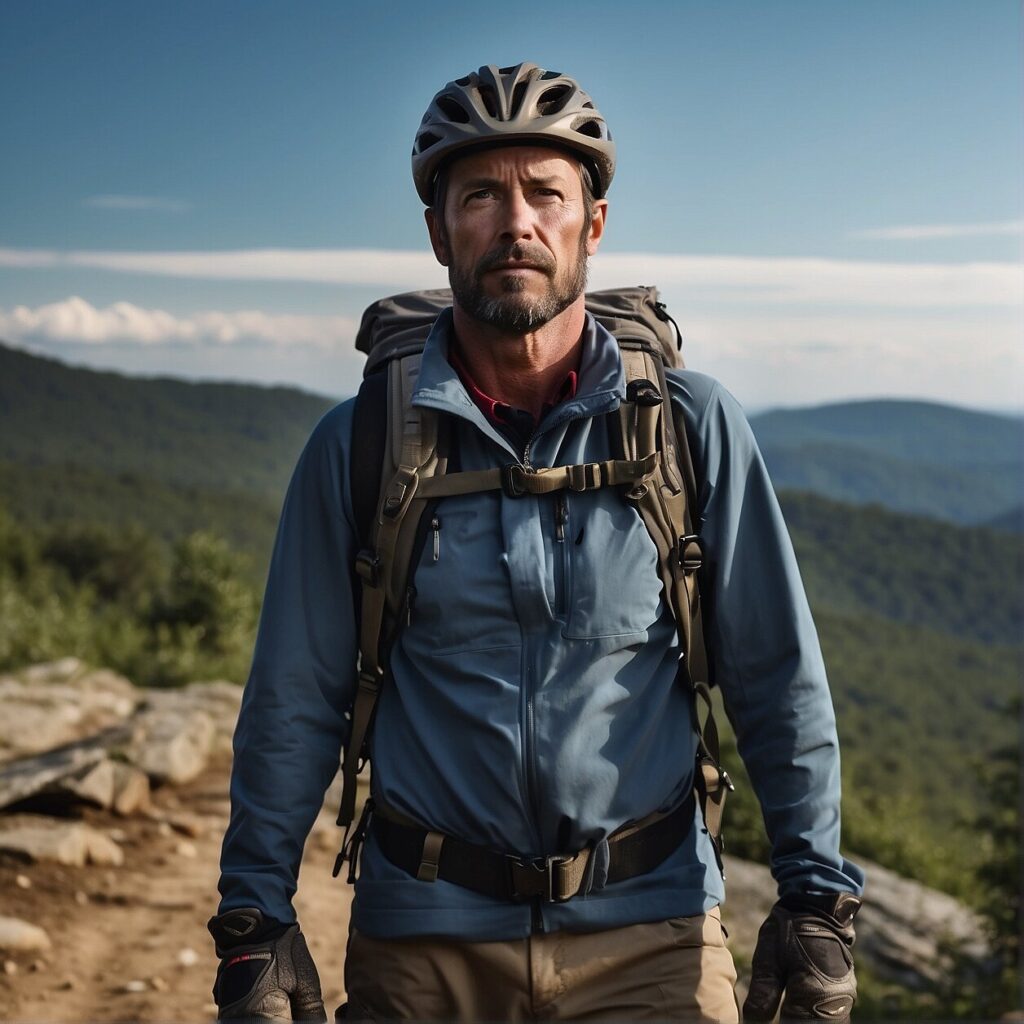
Your journey across the Appalachian Trail is as thrilling as the gear you bring. As you gear up for a thrilling mountain biking adventure, comfort, safety, and durability should be paramount in selecting your equipment. Here are some essential pieces of gear to consider:
Mountain Bike
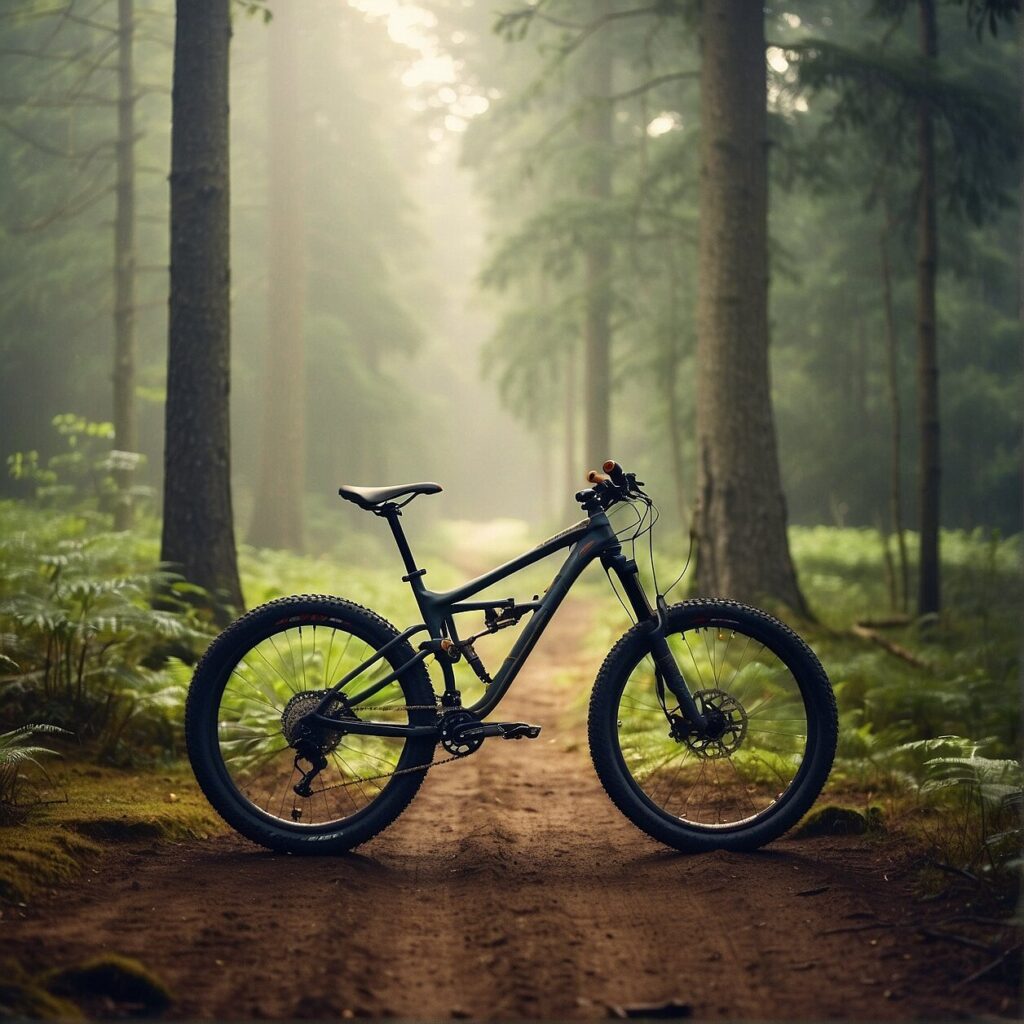
First and foremost, a reliable mountain bike is your most pivotal piece of equipment. Look for a bike designed for rugged terrains like the Appalachian Trail. Bikes with front and rear suspension are typically best for absorbing bumps and shocks, ensuring a smoother ride.
Helmet
Your helmet is your ultimate safe haven. Always opt for a certified mountain bike helmet, designed to withstand impacts and protect one of your most vital assets – your head. Remember, helmets are not one-size-fits-all, so fit and comfort are crucial.
Gloves and Pads
Durable gloves shield your hands from blisters and aid in grip, while knee and elbow pads, although not always fashionable, protect you from severe scrapes and injuries during unexpected falls.
Hydration Pack or Water Bottle
Hydration is key during strenuous activities like mountain biking. A hydration pack or water bottle attached to your bike allows you to quench your thirst without having to stop and unpack.
Multi-tool kit for Bikes
No matter how reliable your bike is, occasional tune-ups will be a necessity. A multi-tool is small, lightweight, and carries just about everything you need to make a quick repair or adjustment in the middle of your ride.
Pack these essentials and you are off to a great start. Remember, equipment makes a significant difference in a rider’s experience, so spend wisely. Now get out there and conquer that trail!
Setting the Pace: The Importance of Physical Conditioning
Mountain biking, especially on a challenging path like the Appalachian Trail, demands endurance, agility, and strength. Cognizance of your physical fitness is not just a wishful thought—it’s vital.
To kick start your conditioning, develop a steady fitness regimen centred around aerobic workouts, strength training, and balance exercises. Remember, mountain biking works almost every muscle in your body, so incorporate full-body conditioning sessions into your routine.
Cardiovascular training
This includes activities like running, swimming, and cycling that increase your heart rate and build your endurance. Focus on high-intensity interval training (HIIT)—it replicates the arduous climbs and quick descents typical of mountain biking.
Strength Training: Leg and Core Workouts
Conditioning your legs through workouts like squats, lunges, and calf raises is fundamental, as pedalling is largely a leg activity. Core strength plays a critical role as well. Planks, side twists and yoga can help improve your balance during those tricky manoeuvres and uphill climbs.
Flexibility, Balance, and Agility
Mountain biking, in essence, is a dynamic activity. Flexibility is crucial as it helps absorb the shock during those bouncy rides. Balance exercises such as standing on one leg, yoga and agility drills can enhance your bike-handling skills.
Consistency is the key. Start your training early and gradually increase your intensity and distance. Fitness cannot be achieved overnight—it requires dedication, discipline, and lots and lots of patience.
Preparation is Key: What to Know Before You Go
No adventure is complete without understanding the importance of careful preparation. As indicated by the famous Boy Scout motto, “Be Prepared”. This sentiment couldn’t be more valid while navigating the intricate terrain of the Appalachian Trail on a mountain bike. You should be well-prepared, armed with a safe and well-thought-out approach to minimize risk and maximize enjoyment. Let’s delve into essentials to consider before embarking on your journey.
Research Weather, Trail Conditions, and Local Climate
While the thrill of the ride may be enough to drive you forward, it’s crucial to understand the prevailing weather conditions. The Appalachian Trail can be unpredictable, and weather can change rapidly. Prior knowledge of the trail conditions can guide your gear choices, clothing, and overall preparedness. Be sure to check both historical data and forecasts beforehand. Alongside the weather, getting to know the local climate and considering the time of year is also essential.
Understand Local Flora and Fauna
Part of the magic of mountain biking the Appalachian Trail is the wide array of flora and fauna you’re likely to encounter. While this brings a unique enchantment to your ride, it’s also necessary to be aware of certain wildlife and plant species that could pose a threat. Keep an eye out for common inhabitants such as bears, snakes, or poisonous plants, and research how to react should you cross paths with them.
Plan Your Route and Stops
Having a clear route plan is crucial for navigating the extensive Appalachian Trail. Knowing where you’re going, understanding the terrain, and planning your stopovers, whether it’s for rest or sightseeing, can make your ride smoother and safer. Always have a reliable map or GPS on hand.
Inform Others of Your Plans
It may seem like a minor detail, but this critical step should not be overlooked. Always let others, whether friends, family, or the local park services, know which route you plan to take and when you plan to return. In the event of an emergency, this information is often vital for search and rescue teams.
FAQ’S
As you ready your gear and psyche yourself up for the adventure that awaits, there may be a cluster of questions swirling around in your mind. Fear not, as we confront the most frequently asked queries about mountain biking the Appalachian Trail, and deliver insightful responses to give you a comprehensive understanding. Jump into this FAQ section where we shed light on common concerns and equip you with valuable insights to assure a safe, enjoyable, and memorable biking expedition.
What are the most common hazards on the Appalachian Trail for mountain bikers?
When it comes to mountain biking on the Appalachian Trail, a few common hazards should be taken into account. One of the most apparent dangers comes in the form of rugged, uneven terrains. These areas are notorious for their loose stones, steep inclines, and abrupt drops which can potentially lead to falls or crashes if not navigated properly.
Another frequent hazard is wildlife encounters. The Appalachian Trail is home to a host of wildlife, including black bears, snakes, and ticks. While most wildlife will keep their distance, encounters can occasionally happen, particularly if you inadvertently stumble onto their territory or during certain seasons. Having a basic understanding of how to react in these situations can be a lifesaver.
Lastly, one should never underestimate the weather. It can be highly unpredictable and change rapidly, leading to potentially hazardous conditions. Heavy rains can make the trails slippery and treacherous, while fog can impair visibility.
In the face of these potential dangers, the best defense is preparation. Knowing the trail well, carrying the necessary gear, understanding wildlife behaviour, and being aware of the weather forecast can all significantly decrease the likelihood of running into trouble.
Are there any rules or regulations for mountain biking on the Appalachian Trail?
Indeed, there are certain rules and regulations you should be aware of when planning a mountain biking adventure on the Appalachian Trail. First and foremost, biking is only allowed on certain sections of the trail. This is due to measures put in place to protect the natural environment and ensure the safety of all trail users.
Many paths are strictly designated for hiking, so it’s essential for you to know where biking is allowed before you set off. Maps and route information are typically available from local park authorities or online. To ensure protection of natural habitats, it’s strictly forbidden to veer off the designated mountain biking routes.
Another important aspect to be aware of is that all riders are expected to adhere to a ‘Leave No Trace’ policy. Essentially, everything you carry in with you must also be carried back out. Respect for the environment is paramount. Littering or causing unnecessary harm to the local flora and fauna can result in penalties, so it’s best to stay mindful of preserving the natural beauty of the trail.
Lastly, remember that the trail is a shared space with hikers and, in certain sections, equestrians. Mountain bikers are typically required to yield to all other trail users to avoid collisions and ensure everyone’s safety. Keep in mind it’s a measure of mutual respect – keep your speed in check, particularly when approaching or overtaking others, and always maintain a safe distance.
Compliance with these rules guarantees not only your enjoyable and safe ride but also the conservation and longevity of this spectacular trail so that future visitors may enjoy it as much as you do.
What type of clothing is best for mountain biking the Appalachian Trail?
You should always dress for comfort and protection when you’re planning to tackle the mountain biking trails on the Appalachian Trail. Since temperature and weather conditions can quickly shift in this area, dressing in layers is a smart move. This enables you to adapt to changing conditions with ease.
Base Layer
Start with a moisture-wicking base layer which is designed to keep sweat away from your body, helping you stay dry and comfortable. Synthetic materials or merino wool are great options because they are lightweight yet warm and they dry quickly.
Mid Layer
Your mid layer should provide insulation and help retain heat. A fleece or light, breathable jacket serves the purpose. It should be easy to remove and stash into your biking pack if you start to get too warm.
Outer Layer
Depending on the weather condition, you might need a waterproof or wind-resistant outer layer. A lightweight windbreaker or a rain jacket provides the necessary protection from the elements without adding too much weight or bulk.
Shorts or Pants
Padded cycling shorts or pants could make your journey more comfortable, especially during longer rides. The padding, known as the chamois, reduces pressure points and friction, and can greatly improve your riding experience.
Protective Gear
Don’t forget about safety. Knee and elbow pads offer extra protection in case of falls, preventing severe injuries. Also, you should always wear a good quality helmet to protect your head.
Shoes and Socks
It is important to have comfortable footwear with good grip. Special biking shoes can enhance pedal efficiency while ensuring your feet stay secure. Go for socks that are made from breathable, quick-dry materials to resist moisture and avoid blisters.
Remember, the right clothing not only increases comfort but it can also enhance safety and performance, making a world of difference to your mountain biking experience on the Appalachian Trail.
What are the emergency procedures if something goes wrong while mountain biking the Appalachian Trail?
Emergencies can happen when you’re out on the vast expanses of the Appalachian Trail, that’s why it’s critical to have a plan in place. Here are some steps you can take in an emergency.
Firstly, if you or someone in your group gets injured, it is essential to carry a first aid kit and have some basic knowledge of first aid. This can include knowing how to clean and dress wounds, treating fractures or sprains, and recognizing symptoms of heat exhaustion or hypothermia.
Secondly, always make sure that you’ve informed someone of your trip itinerary before you set off for your trip. They should know your route, your expected time of return, and what to do if they don’t hear from you within a specific timeframe. That way, if there’s an emergency, someone knows that they should be looking for you.
In case you get lost, carry a compass and a detailed map of the area. If you realize you are off your planned route, stay calm, check your map, and try to trace your steps back to a recognizable point if safe to do so.
Lastly, carry a whistle, flares or a signal mirror, which can aid in alerting rescuers in case of an emergency. Remember, three of anything (three whistle blasts, three flares, etc.) is universally recognized as a distress call. If you have cell service on parts of the trail, keep emergency numbers, like the local rangers or search and rescue, easily accessible in your phone.
Being prepared for the unexpected can help you confidently navigate sticky situations and keep you safe on your mountain biking adventure on the Appalachian Trail.
How to prepare for weather changes while mountain biking the Appalachian Trail?
When preparing for weather changes during your mountain biking adventure along the Appalachian Trail, you need to be as adaptable as the changing climate. Weather conditions can vary greatly depending on the region, altitude, and time of year. Staying updated about weather forecasts will allow you to prepare appropriately and adapt your plans as necessary.
An essential piece of gear is a reliable weather-resistant cycling jacket that can protect you from chilling winds, rain, or even unexpected bouts of snow. Coupling this with moisture-wicking clothing underneath can help manage sweat and keep you comfortable. Don’t forget weather-appropriate accessories like gloves and hats for colder rides, or neck gaiters and sunglasses for sun protection.
It’s also highly recommended to pack a lightweight, durable rain cover for your backpack to protect your essentials, such as maps, food, and, importantly, any electronic gadgets like your GPS. Waterproof packing cubes or ziplock bags can help organize and seal off your gear to keep it dry.
Bottom line? Expect the unexpected. The weather on the Appalachian Trail can be unpredictable, so it’s better to be prepared for potential contingencies. A proactive approach to staying informed about impending weather will keep you safe and maximize your enjoyment as you cycle through the awe-inspiring landscapes of the Appalachian Trail.