

Unraveling the Mysteries of Ancient Maps: Harmonia Macrocosmica’s Enduring Influence

Amazing Wonder: How Harmonia Macrocosmica Inspires Curiosity Today
When you lay your eyes on the Harmonia Macrocosmica, there’s a sense of wonderment and awe that washes over you. This isn’t just an antiquated map; it’s a snapshot of how our ancestors perceived the universe. Yet, its mystique doesn’t lie solely in its historical significance. The curiosity it sparks even today is a testament to its enduring appeal.
What makes the Harmonia Macrocosmica so compelling, you ask?
The Scientific Significance of Harmonia Macrocosmica’s Accuracy
Let’s take a moment to appreciate the scientific accuracy of Harmonia Macrocosmica. It’s fascinating to consider how Andreas Cellarius, an educator and cartographer from the 17th century, managed to craft such a precise depiction of the cosmos, especially without the modern tools we take for granted today.
Cellarius’s astronomical atlas wasn’t just a scientific tool—it was also a work of art. Each plate within the Harmonia Macrocosmica combined intricate detail with scientific precision, making it a incredibly accurate tool for understanding the universe. But what’s even more astounding is how these maps still hold up under the scrutiny of modern science.
The Intersection of Art and Science
Cellarius didn’t just create maps; he told a story of the cosmos. His detailed illustrations of the celestial bodies, based on the observations of his time, were designed to enhance our understanding of the universe. But the Harmonia Macrocosmica goes beyond just being a visually stunning masterpiece—it is also scientifically accurate.
Every detail in the Harmonia Macrocosmica, from the positions of the stars to the orbits of the planets, was based on the best scientific knowledge of the time. Cellarius utilized the work of renowned astronomers, such as Tycho Brahe and Nicolaus Copernicus, to create a comprehensive view of the cosmos that was as accurate as it was beautiful.
Withstanding the Test of Time
Fast forward to today, and the Harmonia Macrocosmica still holds its own. The placement of the constellations and celestial bodies within the atlas is shockingly accurate, considering it was created nearly 400 years ago. The Harmonia Macrocosmica provides an invaluable opportunity to look at the night sky as our ancestors saw it, and its accuracy continues to impress astronomers and historians alike.
The scientific significance of the Harmonia Macrocosmica lies in its enduring accuracy. It’s a testament to the exceptional observational skills and astronomical knowledge of our forebears. Even in the age of digital maps and satellite images, Cellarius’s masterwork continues to inspire awe and curiosity.
From Parchment to Pixels: The Digitalization of Ancient Maps
As you delve deeper into the fascinating world of ancient cartography, you might wonder how these age-old maps, once confined to parchment and paper, have found their way into the digital era. The digitalization of ancient maps like Harmonia Macrocosmica is an intriguing journey, merging old-world charm with new-world technology.
The Journey from Parchment to Pixels
Originally, these awe-inspiring maps were meticulously handcrafted on parchment, requiring an exquisite blend of artistic skills, geographic knowledge, and scientific understanding. Over time, these maps faced the risk of deterioration and damage, which would have resulted in the loss of invaluable historical records.
However, advances in technology have allowed us to preserve these maps digitally, preventing their loss and making them more accessible to everyone. The process involves high-resolution scanning, color correction, and sometimes, painstaking digital restoration to preserve the original details and colors.
Unfurling the Digital Scrolls
Once digitized, these maps are not just preserved but reborn, ready to be explored with a simple scroll or zoom. You can now dive into the intricate details of Harmonia Macrocosmica from your device, examining the map’s magnificence without fear of damaging a priceless artifact.
Furthermore, digitalization opens up new pathways for analysis and interpretation. Sophisticated software allows scholars to overlay ancient maps onto modern ones, offering unique insights into the evolution of geographical knowledge and helping to decode historical mysteries.
Sharing the Treasure Trove
One of the most significant benefits of digitalization is the democratization of knowledge. Ancient maps, once hidden away in exclusive collections, are now available to anyone with an internet connection. This has sparked a renewed interest in ancient cartography, fueling a new generation of explorers right from their screens.
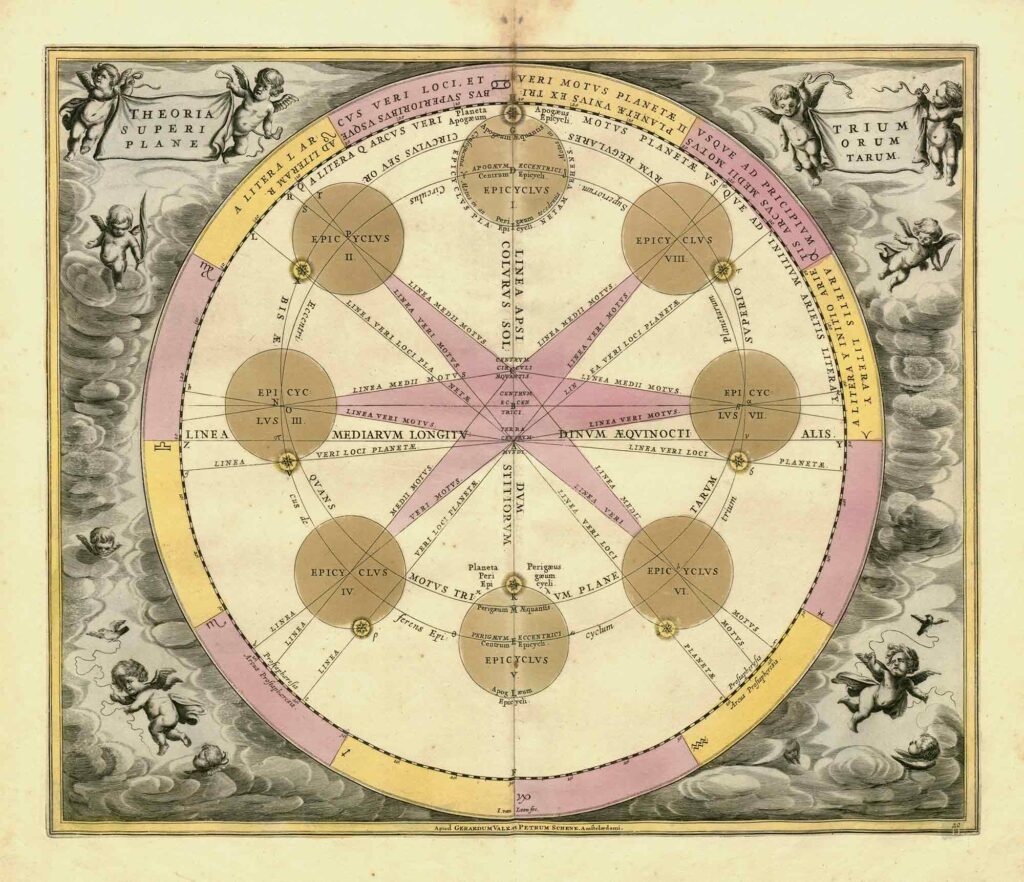
As we move forward, the digitalization of ancient maps like Harmonia Macrocosmica continues to inspire curiosity and exploration. The fusion of antiquity and technology not only preserves our past but also paves the way for a future filled with endless discovery.
Curiosity Unleashed: Harmonia Macrocosmica’s Influence on Modern Explorers
There’s a palpable thrill that comes with unearthing the past and gazing upon the ancient world, reimagined and brought to life through the power of cartography. The Harmonia Macrocosmica, a monumental work in the history of mapmaking, is no exception to this. It sparks curiosity, acting as a catalyst for modern explorers and space enthusiasts alike.
While we now have satellite images and digital mapping technologies at our disposal, the profound influence of the Harmonia Macrocosmica is undeniable. It has played a significant role in shaping the way we perceive and explore the world – and beyond.
Unleashing a New Era of Exploration
The Harmonia Macrocosmica can be credited with stoking the fires of exploration in countless individuals. The intricate detail and astronomical accuracy of this ancient map have inspired many to embark on their own journeys of discovery.
Modern explorers, whether astronauts venturing into the cosmos or geologists delving into the earth’s crust, owe a debt of gratitude to the Harmonia Macrocosmica. This 17th-century celestial atlas, with its meticulously rendered constellations and celestial bodies, has been a guiding light, sparking interest in the stars and the universe beyond our planet.
Inspiring the Pursuit of Knowledge
The Harmonia Macrocosmica’s impact extends beyond physical exploration. Its influence can be felt in the realm of academia and research as well. Scholars, researchers, and learners have marveled at the map’s detail and precision, using it as a stepping stone to unlock further mysteries of the cosmos.
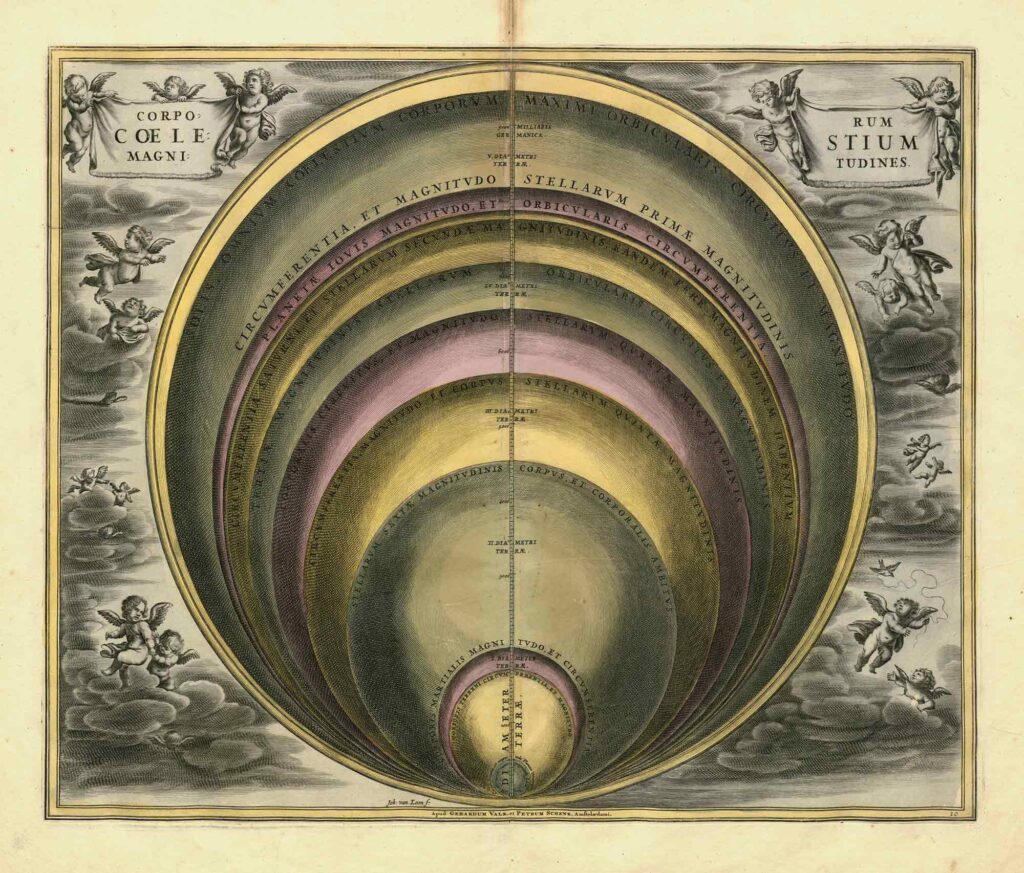
Many of the theories and advancements we’ve seen in the field of astronomy can trace their roots back to this ancient map. The Harmonia Macrocosmica acted as a visual tool, helping early scientists visualize the universe’s layout, leading to groundbreaking discoveries that have shaped our understanding of the universe today.
Bridging the Gap Between Eras
Interestingly, the Harmonia Macrocosmica also serves as a bridge between the past and the present. For modern explorers, it provides a window into the past, offering a glimpse into how our ancestors perceived the world and the universe around them.
It acts as a reminder that exploration is not a new phenomenon but a deeply ingrained human trait. The curiosity that drove the creation of the Harmonia Macrocosmica is the same curiosity that propels modern explorers into the unknown. It is a testament to the enduring spirit of discovery that continues to shape our world.
Cartography Through the Ages: Evolution and Influence
As we trace the journey of cartography through the ages, we cannot overlook the pivotal role played by ancient celestial maps like the Harmonia Macrocosmica. These maps, designed with a mix of scientific precision and artistic vision, have continued to exert their influence on our modern understanding of the universe and our place within it.
The Dawn of Cartography
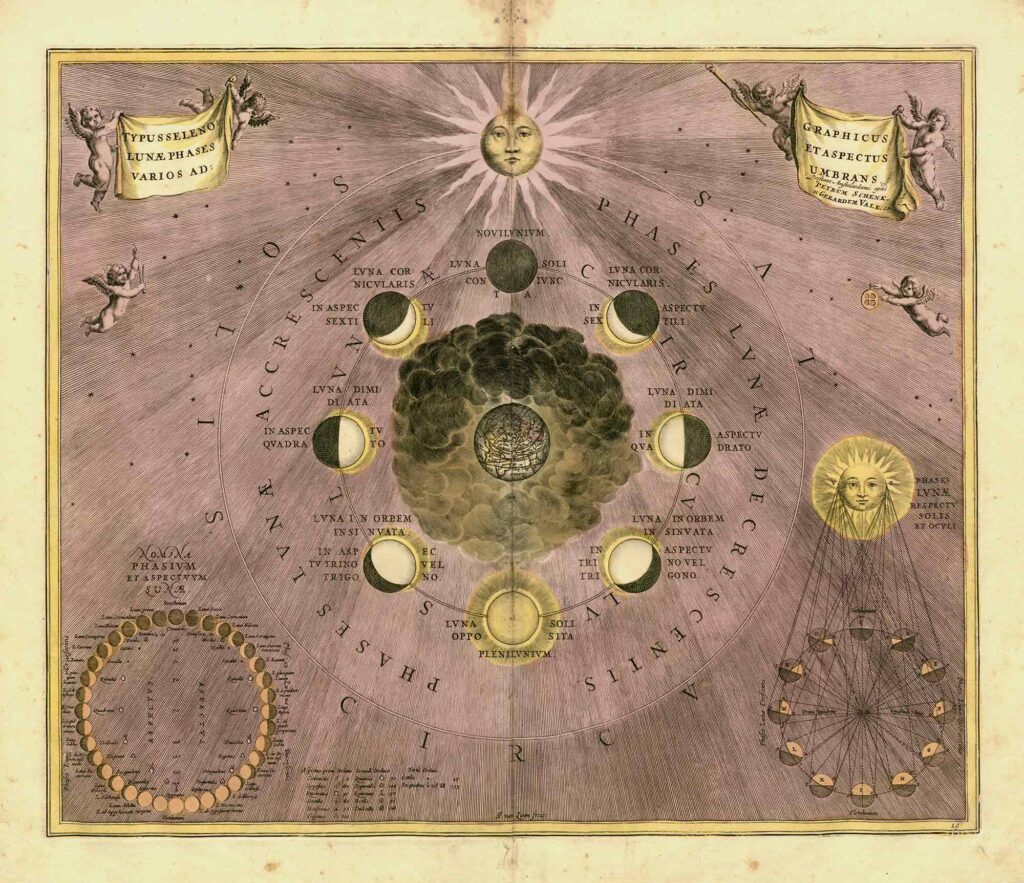
Cartography’s roots extend back to the ancient civilizations of Mesopotamia, Egypt, and Greece. These early maps were primarily terrestrial, representing known portions of the earth’s surface. Yet, the desire to understand the cosmos led to the creation of celestial maps, significantly impacting the development of astronomy and navigation. The Harmonia Macrocosmica is a shining example of this early celestial cartography, combining artistic beauty with scientific accuracy.
The Middle Ages and the Renaissance
During the Middle Ages and the Renaissance, cartography experienced a resurgence. This was driven by advancements in navigation technology and the desire for exploration. Harmonia Macrocosmica, published in 1660, during the Renaissance era, represented this renewed interest in mapping the cosmos. Its influence can be seen in the detailed and accurate maps of the period.
Modern Cartography
Fast forward to today, and the influence of the Harmonia Macrocosmica is still evident. With the advent of digital technology, ancient celestial maps have found new life. They are being digitized and made available to the public, inspiring a new generation of explorers. These digital maps also serve as essential tools for scientists studying the universe.
The science of cartography has evolved significantly over the centuries, moving from hand-drawn maps on parchments to detailed digital renderings that can be manipulated and analyzed in real-time. Yet, the essence of curiosity and exploration that fueled the creation of celestial maps like the Harmonia Macrocosmica remains intact.
Enduring Influence
The enduring influence of the Harmonia Macrocosmica is a testament to the significance of ancient maps. They continue to inspire scientists, artists, and explorers, reminding us of our eternal quest to understand our place in the cosmos. As we continue to push the boundaries of cartography, these ancient maps serve as a guiding star, reminding us of our past while pointing us towards the future.
Conclusion
As our journey through the remarkable history and enduring influence of Harmonia Macrocosmica draws to a close, we find ourselves looking back with awe and looking forward with anticipation. In essence, this ancient masterpiece of cartography is more than just a collection of beautifully illustrated celestial charts; it is a testament to mankind’s unquenchable thirst for knowledge and exploration.
The Harmonia Macrocosmica not only provided a significant scientific breakthrough during its time but continues to inspire curiosity today. Its intricate details, the marriage of art and science, and the palpable spirit of exploration it embodies are testaments to its timeless relevance and appeal.
As we have seen, the ancient maps from the Harmonia Macrocosmica have traversed from parchment to pixels, extending the reach of this ancient knowledge to our digital age. It has democratized access to this treasure trove of information and in turn, has fueled a new generation of explorers and scholars with a passion for the stars and beyond.
From the dawn of cartography, through the Middle Ages and the Renaissance, to the advent of modern cartography, the Harmonia Macrocosmica has left a profound impact. Its influence is woven into the fabric of our collective exploration of the cosmos, shaping our understanding and spurring us to push the boundaries of our knowledge.
In conclusion, the Harmonia Macrocosmica is a vibrant reminder of our perpetual quest for understanding and exploration. It invites us to take a moment to gaze at the stars, the planets, and the vast cosmic landscapes beyond our reach, and to feel a sense of wonder. It stands as a bridge between eras, linking the ancient scholars who first mapped the stars to the modern explorers who continue to chart the unending expanse of the cosmos. In the midst of our fast-paced, technology-driven world, it serves as a humbling reminder of our place in the vast universe. The Harmonia Macrocosmica isn’t just a piece of history; it’s a beacon that lights our path into the future.