Death Valley National Park: An Epic Road Trip Guide

Ready for an adventure like no other? Then buckle up for a thrilling road trip through one of the most remarkable corners of the United States: Death Valley National Park. Famous for its deadly summer temperatures and lunar-like landscapes, this National park tells an intriguing tale of survival against all odds. Whether you’re a history buff, an intrepid explorer, a foodie, or traveling with your furry friends, there’s something for everyone. We have constructed a guide that takes you from unique accommodations, unforgettable activities inside the park, to delectable desert dining experiences. At the end, you will have a personalized itinerary whether you’re planning for a two, three or five-day journey. This road trip promises a journey of discovery and enrichment; exploring the heights and depths of a park that is anything but lifeless. Get ready to dive into one of the most unique experiences that America’s wilderness has to offer.
Unveiling the Secrets of Death Valley: Why It’s Famous
Death Valley National Park, a grimly named spot yet captivating place, holds the crown as the hottest, driest and lowest national park in the United States. It is unique not only for its extreme temperatures, but equally so for its stark beauty and rich diversity of landscapes.
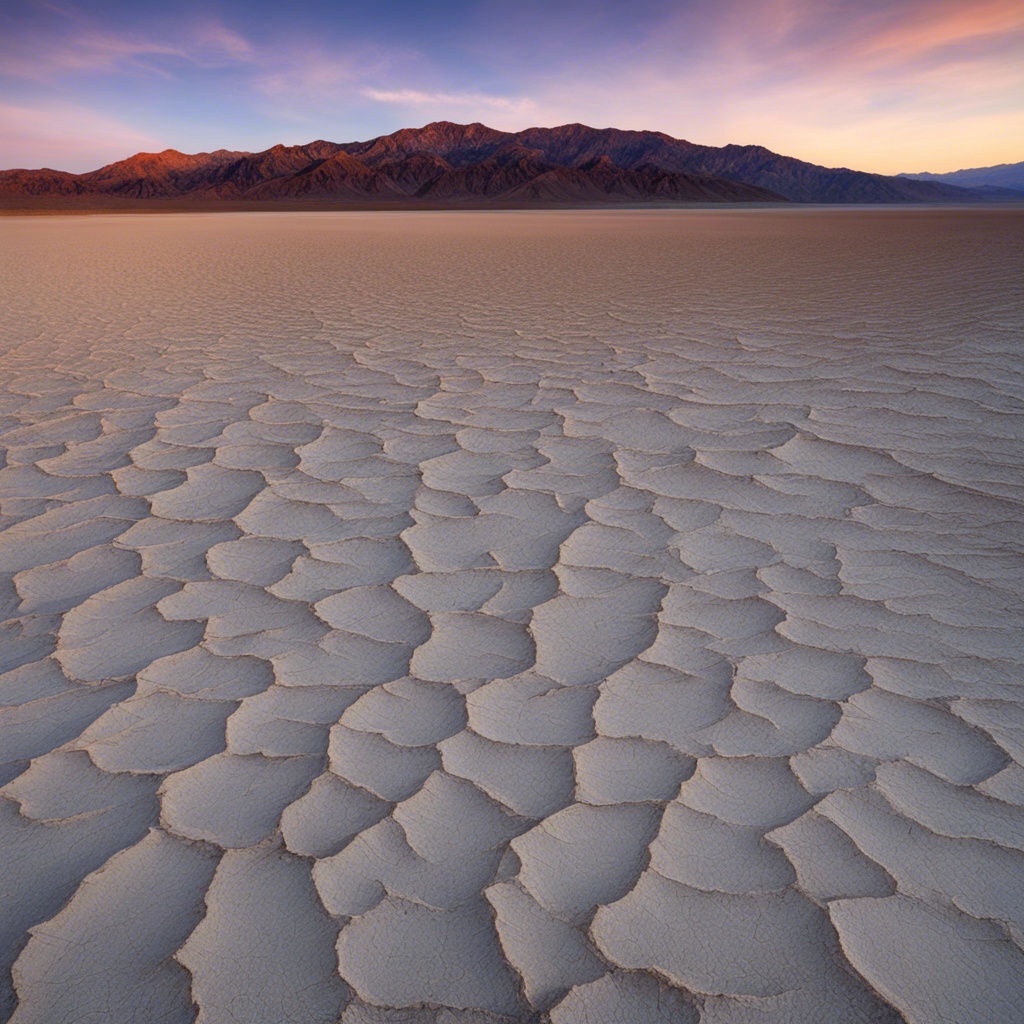
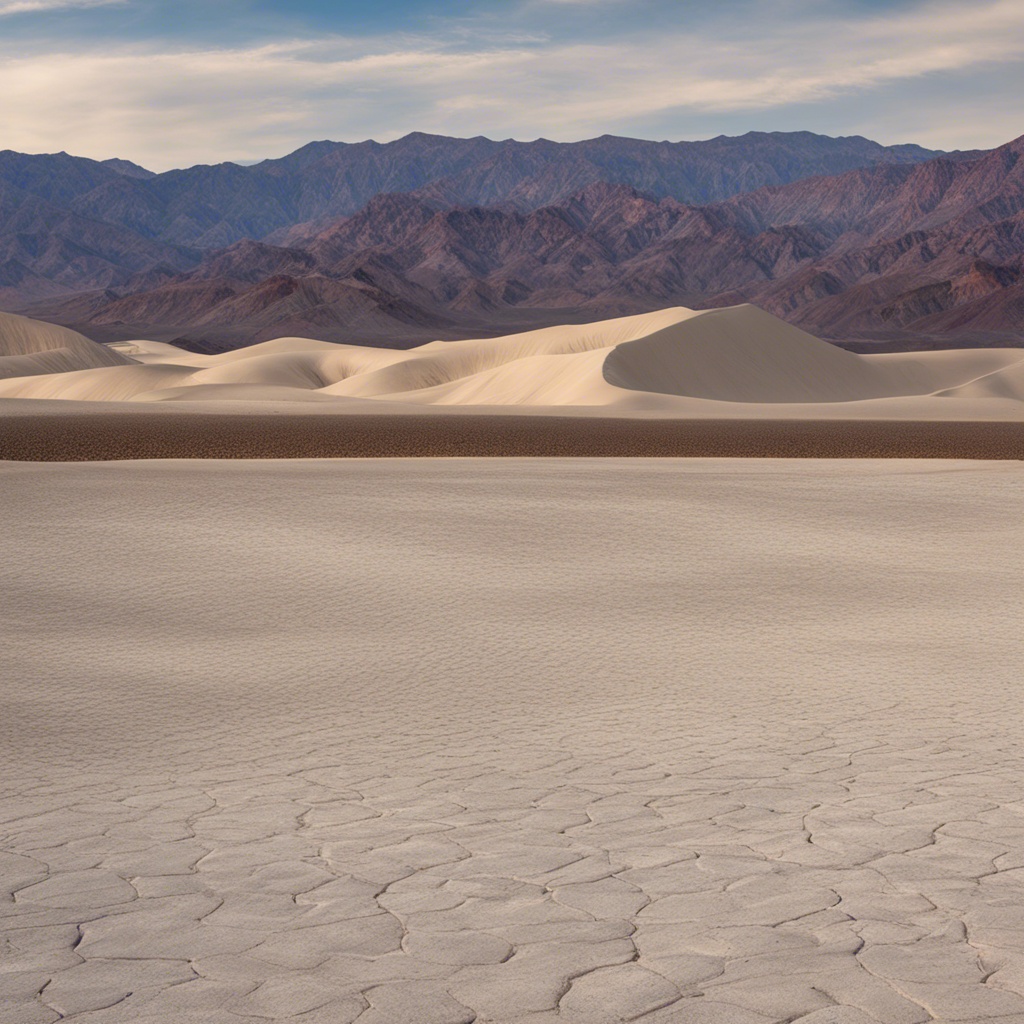
Stretching across over three million acres, Death Valley is a veritable mosaic of salt flats, sand dunes, badlands, valleys, canyons, and mountains. The park is most famous for its Badwater Basin, a surreal landscape that is the lowest point in North America with an elevation of 282 feet below sea level. In contrast, Telescope Peak, the highest point within the park, towers at a staggering 11,043 feet.
However, the jewel in Death Valley’s crown is surely its sand dunes. Specifically, the iconic Mesquite Flat Sand Dunes which have been immortalized in numerous films and photographs for their stunning, wave-like formations that can reach up to 100 feet high. Here you can walk, or run down the dunes – just beware of the shifting sands!
But this park isn’t just about what you can see during the day. Death Valley is an International Dark Sky Park, where you can witness the night sky in its natural state, free from artificial light pollution. Star-gazing here is simply breathtaking. With crisp clear skies on most nights, the park offers one of the best celestial views on Earth.
From challenging hikes to captivating wildlife and scenic drives, Death Valley offers a road trip like no other. This vast wilderness area also provides countless opportunities for exploration and adventure, often leaving travelers mesmerized by its stark yet varied beauty.
So, if you’re a lover of the exotic, the mysterious, and the distinctive, then a road trip to Death Valley National Park is a trip that surely will satisfy your wanderlust.
Peering into the Past: A Fun Historical Overview of Death Valley
With a name like Death Valley, you could only wish it had a fascinating history to match, and I’m happy to report- it does. One of Death Valley’s most unique characteristics is its melting pot of historical influences. Native American inhabitants, 19th-century Gold Rush prospectors, Spanish missionaries — they’ve all left their mark on this sun-baked slice of California.
The earliest known inhabitants of Death Valley were the Timbisha Shoshone Native Americans, who have lived in the area for at least a thousand years. Despite the harsh conditions, they thrived, courtesy of their intimate knowledge of the land and its scarce natural resources.
Death Valley gained its foreboding name during the California Gold Rush in the mid-19th century. In 1849, a group of prospectors took a shortcut through the Valley on their way to the gold fields. Unfortunately, they got lost in this rugged territory and suffered a terrible ordeal, which led to the area being referred to as “Death Valley”.
The 20th century brought new industries to Death Valley, including borax mining. This mineral – used in various industrial applications – was hauled from the mines by teams of mules, a scene memorialized in the valley’s symbol, the 20-mule team.
Death Valley was declared a national monument in 1933, thanks in large part to the efforts of Minerva Hoyt, a Los Angeles resident, who worked tirelessly to protect the area’s unique desert ecosystem. Thanks to her, this incredible region is now preserved for future generations to enjoy.
These layered historical periods have left a wealth of historical treasures scattered throughout the park. Points of interest include the Rhyolite Ghost Town, Furnace Creek Visitor Centre, Harmony Borax Works, and the Salt Creek Interpretive Trail. Each offers a different insight into the park’s rich and varied past.
History here is not confined to museums and placards; it’s etched into the landscape itself. So remember, when you’re out there on your road trip, take the time to delve into the past. You may be surprised at the stories that the scorching sands of Death Valley are eager to tell.
Living the High Life: Unique Accommodations Near Death Valley
Exploring Death Valley doesn’t mean you have to tough it out on rocky terrain or sleep under the stars- unless that’s your style. The area near the National Park offers some charming accommodations which are as unique and diverse as the desert landscapes themselves. Here are a few places that are ready to play host for your Death Valley road trip:
The Oasis at Death Valley
Raise your road trip standards with a stay at The Oasis at Death Valley. The resort’s accommodations range from cozy, comfortable rooms to a lush, palm-shaded pool. It’s indeed an oasis in the heart of the parched desert. Dine at their upscale restaurants or go for a round of golf at their course.
Stovepipe Wells Village Hotel
For a more rustic experience, try the Stovepipe Wells Village Hotel. The hotel has a frontier-town character and offers its guests spectacular views of the Mesquite Flat Sand Dunes. Ease off the day’s travel with a delicious meal at their Badwater Saloon.
Panamint Springs Resort
If you’d like to wake up to a desert sunrise, the Panamint Springs Resort is the perfect spot. It provides unique lodging options from motor lodges to camping grounds, catering to all kinds of adventurers.
In summary, while the road trip to and through Death Valley is an adventure itself, the accommodations near the National Park also promise a unique and comfortable stay that adds to the overall charm of your journey.
Beyond the Beaten Path: Unusual Activities Inside the National Park
While a Death Valley road trip often brings to mind scenes of rugged landscapes and solitude, there’s more intrigue and adventure to be uncovered in this vast national park. The following are some unusual activities that will draw you off the beaten path and immerse you in an extraordinary world that most visitors of the park rarely get to explore.
- Death Valley Explorer Jeep Tour: Looking for something different from your usual road trip setups? Hop on a four-wheel-drive and traverse the challenging terrain of Death Valley. With a variety of backcountry trails available, you don’t just travel through the park, you touch its soul. Feel the thrill of driving through spectacular washes, slot canyons, and secluded valleys—a true test for off-road enthusiasts.Learn about the valley’s history, geology, and ecology from experienced guides on the way.
- Mountain Biking: If you’re an adrenaline junkie seeking to inject some excitement into your road trip, then mountain biking through the old mining roads of Death Valley is just the ticket. Enjoy the thrill of pedaling through isolated landscapes and historic desert trails, where solitude is only broken by the buzz of your cycle and the desert wind.
- Sand Sledding: Forget snow sleds and ice caps. In Death Valley, it’s all about sand. Head to Mesquite Flat Sand Dunes or Eureka Dunes, then surf down the lofty sandy mounds with nothing but speed and gravity as your companions. It’s an adventure that couples, families, and solo travelers can all enjoy.
- Death Valley Star Viewing Parties: The rolling darkness that envelops Death Valley at night paves the way to one of the best star-gazing platforms in America. The reason? Minimal light pollution. On certain nights, star-gazing parties are hosted, providing telescopes and expert guidance to observe the celestial bodies in all their glory.
Sure, driving around and soaking in the views are a crucial part of the road trip allure. Still, taking part in these unique and interactive activities can take your Death Valley experience to the next level and leave you with memories that will last far beyond the trip.
Culinary Adventures in the Desert: Where to Eat in and Around Death Valley
Feasting in a desert might seem like a mirage, but it’s a delightful reality in and around Death Valley National Park. The region is peppered with rustic dining spots and swish bistros, offering everything from hearty American classics to chic Californian cuisine. Here’s a selection of eateries to satiate your hunger on your road trip through Death Valley.
Breakfast
The Ranch at Death Valley does an impressive breakfast buffet that’s sure to fuel you up for the day’s adventures. Its casual sunny patio is the perfect place to enjoy an early morning feast before exploring the park.
Lunch
The Timbisha Shoshone Village is where you can enjoy a light lunch. The village’s food concession offers tantalizing fry bread tacos that you can munch on while absorbing aspects of Timbisha Shoshone culture.
Dinner
After sundown, head to the Stovepipe Wells Village Hotel for a delectable dinner. The Toll Road Restaurant here serves Western-themed dishes such as barbecue ribs and buffalo burgers.
Snacks and Beverages
For times between meals, the General Store at Stovepipe Wells is a lifesaver. Run up a tab on snacks, beverages, and even picnic supplies for your in-park explorations.
Remember, while dining options within the park can be limited and hours may vary with the season, rewarding culinary experiences are part of the journey when you venture just beyond the park’s boundaries.
Traveling with Furry Friends: Pet Policies in Death Valley National Park
Planning a road trip and wondering if you can bring your furry friends along to Death Valley National Park? You absolutely can! However, as Death Valley is a unique and potentially harsh environment, there are some policies in place to ensure the safety and wellbeing of your pets.
Pet Rules Inside the Park:
- Pets must be kept on a leash no longer than six feet at all times.
- Pets are allowed on roads, in campgrounds, and in other developed areas.
- Unlike humans, pets are not allowed on trails, off roads, or in wilderness areas. This is for their own safety, as the desert can be a hazardous place for an unattended or unleashed animal.
- Never leave pets in cars unattended, especially during warm weather. Even with the windows cracked, temperatures inside cars can soar to lethal levels.
Pets can be a delightful addition to your road trip, but their safety should be paramount. One important thing to note is that services for pets are limited in the park. There are very few, if any, pet-friendly accommodations or pet services available, so remember to pack everything they’ll need to stay comfortable, safe, and entertained during your stay.
Thoroughly cleaning up after your pet helps to protect both the park’s wildlife and other visitors. There are pet waste disposal areas in all campgrounds and picnic areas and using these facilities helps ensure everyone can enjoy the clean, natural beauty of Death Valley.
Savoring the Desert: A Two-Day Itinerary for Solo Adventurers and Couples
Embarking on a two-day road trip to Death Valley National Park provides a front row seat to some of the most astonishing spectacles of nature. Here’s a well-paced itinerary to help you capture the essence of Death Valley. Day 1: Be Mesmerized by Nature’s Theater
- Start your journey with a sunrise visit to Zabriskie Point. The first light of day illuminating the multicolored sedimentary layers is a sight to behold.
- Next, drive down to Badwater Basin – the lowest point in North America. Walk the salt flats and feel the vastness of the park.
- After a morning of exploring, head to the Oasis at Death Valley Resort for lunch. Sit in their shaded terrace and soak up the surreal views.
- Recharge before you continue with your afternoon. Take the winding road to Dante’s View for an expansive view of the park.
- Last stop for the day is Artist’s Palette. Drive through the artist drive, a one-way 9-mile drive with colorful mineral deposits at every turn. Don’t miss the sunset here.
- Dinner awaits you at The Inn Dining Room at the Oasis. Save room for their mouth-watering steaks and delicious desserts. The perfect ending to a day of adventure.
Day 2: Continuing the Adventure
- Begin with an early morning stroll at the Mesquite Flat Sand Dunes. Don’t forget to leave your footprints on the pristine dunes.
- Next, go back in time by visiting its historic sites such as the Rhyolite Ghost Town and Harmony Borax Works.
- Grab lunch at the Stovepipe Wells Village Hotel. Their hearty burgers will fuel you for the rest of the day.
- Post lunch, drive over to the subtropical Scotty’s Castle for a guided tour. This Spanish style villa is a stark contrast to the surrounding desert landscape.
- End your trip on a high note at The Racetrack, where rocks mysteriously move and leave trails in their wake. An enigma worth witnessing.
- Conclude your day with a quiet dinner at Timbisha Shoshone Village. Enjoy their Indian Tacos for a different twist to your meal.
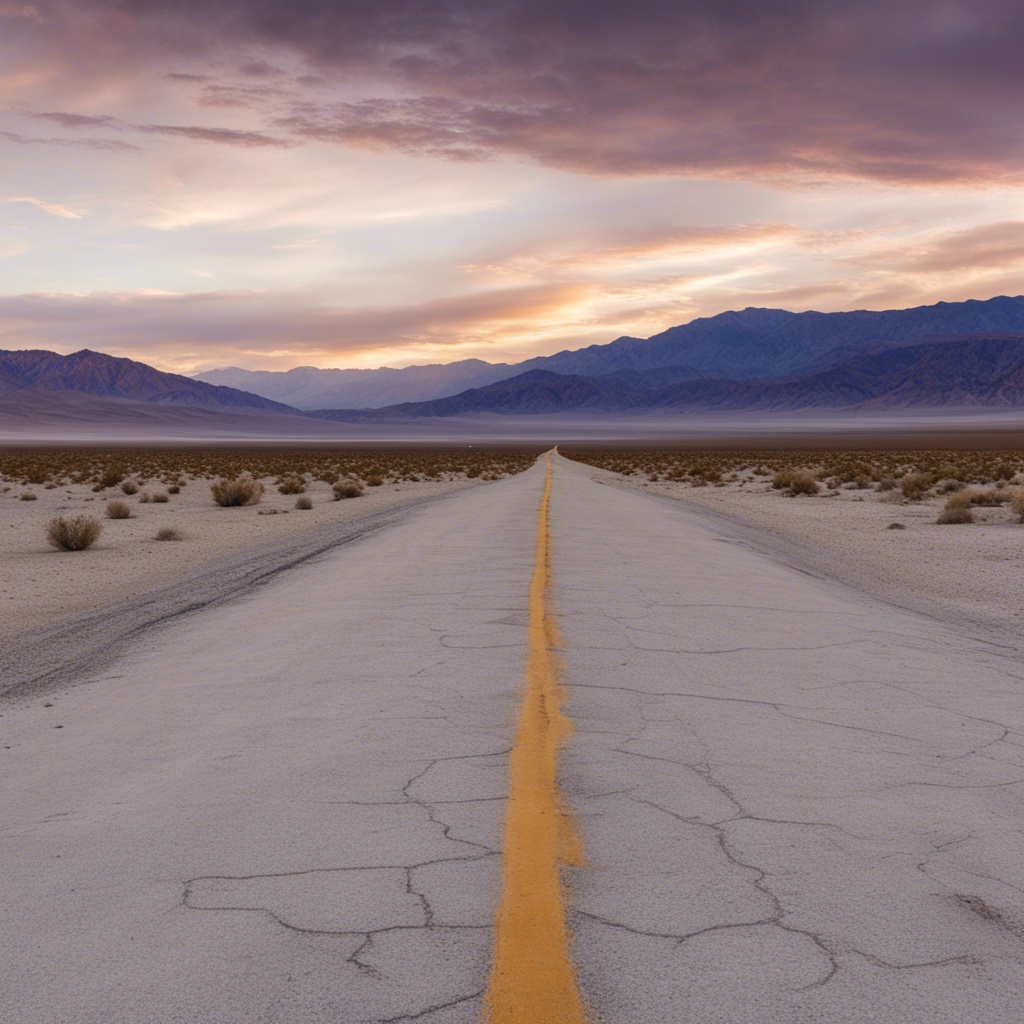
Driving through Death Valley, you’ll feel like the only person on the planet at times. It’s a solitary experience that’s awe-inspiring, humbling, and utterly unforgettable. Remember to stay hydrated, wear sun protection, and tread lightly on this delicate ecosystem.
Embracing the Extreme: A Three-Day Family-Friendly Tour of Death Valley
Day 1 of your Death Valley road trip will introduce you to the mesmerizing beauty that the park holds. Start your day at Furnace Creek Visitor Center, where the kids can enroll in the Junior Ranger Program. Grab your Death Valley map and head off to Dante’s View for an unforgettable panoramic photo opportunity overlooking the salt pans below.
Remember, it’s essential to pack plenty of water, sunscreen, hats, and snacks on your day’s adventure, as amenities are few and far between in the park.
Next, descend to the Devil’s Golf Course, an impressive sea of jagged salt formations, followed by an adventurous drive to Artist’s Drive, a one-way, 9-mile scenic loop with colorful volcanic and sedimentary hills.
Conclude your first day with a sunset view from Mesquite Flat Sand Dunes, where the kids will love running up and down the dunes as you capture the perfect family moments.
Day 2: Delving Deeper into Death Valley
Day 2 is for exploring the more diverse and remote attractions. Start your day with a visit to Ubehebe Crater, the aftermath of a volcanic explosion that occurred centuries ago. Post this, set up a perfect picnic at the beautiful Salt Creek, known for its unique pupfish species – a rare sight you do not want to miss!
After lunch, buckle up for a thrilling drive along the 26-mile long Titus Canyon Road. This road is more than just a road trip; it’s an unforgettable adventure through the rugged Death Valley landscape, complete with narrow canyons and stunning overlooks. End your day soaking up the culture and history at the Scotty’s Castle – a Spanish Colonial Revival style villa that is sure to fascinate kids.
Day 3: Conquering The Wilderness
Start your last day with an energizing hike to Zabriskie Point for a picturesque sunrise. Following this, visit the historical sites of Furnace Creek Ranch and Museum, and Hell’s Gate. Nature lovers and bird enthusiasts will absolutely adore a visit to the Saratoga Springs where you can spot various species of birds, including migrating waterfowl and shorebirds.
Lastly, challenge yourselves to the Wildrose Peak Trail, a challenging yet rewarding hike that ends with an exceptional panoramic view of the park, marking a triumphant conclusion to your three-day family road trip adventure.
Exploring the Depths: A Comprehensive Five-Day Itinerary for Death Valley Enthusiasts
Set out on an exhilarating road trip and uncover the secrets of Death Valley National Park over five days! The following itinerary will take you through the most enchanting locations within the park that you simply should not miss.
Day 1: Welcome to the Valley
Start your journey from Furnace Creek, the heart of Death Valley, where you can get acquainted with the park at the Furnace Creek Visitor Center. From here, explore the surreal landscape of Badwater Basin, the lowest point in North America, blanketed with a vast expanse of sparkling salt flats. Witnessing the sunset here is an experience like no other.
Day 2: Riding the Sand Dunes
On the second day of your road trip, head toward Mesquite Flat Sand Dunes. Revel in the enchanting desert landscape as you traverse the shifting sands. You may also spot desert plants and animals that have adapted perfectly to thrive in this parched terrain. As the day draws to a close, set up camp at Stovepipe Wells for a stargazing session.
Day 3: Exploring the Canyons
Embark on a thrilling hike through some of Death Valley’s most picturesque canyons, such as Titus Canyon or Golden Canyon. These are suitable for both amateur and experienced hikers. Don’t miss out on viewing the awe-inspiring artists’ palette on Artists Drive – a display of multi-hued volcanic and sedimentary hills.
Day 4: Historical Sights
Your fourth day is for stepping back into the pages of history. Visit the ghost town of Rhyolite and the Harmony Borax Works, sights that stand as silent witnesses to Death Valley’s bustling mining era. Try to reach Dante’s View by dusk. From this scenic overlook, you can capture breathtaking views of the sunset over the Badwater Basin.
Day 5: Final Discoveries
On your final day, take a scenic drive to Ubehebe Crater. The immense size of this multi-hued volcanic crater will astound you. Following this, make your way to the Racetrack Playa, where ‘sailing’ rocks leave peculiar trails on the muddy ground. And as the sun dips below the horizon, bring your road trip to a close with a sundowner at Zabriskie’s Point.
Remember, while this suggested itinerary encapsulates the major highlights of the park, Death Valley is full of surprises, ready to enchant those willing to veer off the beaten path. Buckle up, and prepare for an unforgettable five-day road trip adventure through Death Island!
Best Spots for Sunset Viewers: Ending Your Day in Death Valley
The all-encompassing beauty of Death Valley culminates each day with a radiant play of colors as the sun sets over the rugged mountains’ edges. Your dream desert road trip wouldn’t be complete without witnessing this mesmerizing spectacle of oranges, purples and reds. For an unforgettable closure to each adventurous day, here are some of the best places in Death Valley National Park to sit back, relax and watch the sun going down.
Zabriskie Point: Conveniently located just a short drive from Furnace Creek, Zabriskie Point serves up some of the most outstanding sunset views in the whole park. The sunlight reflecting off the badlands creates vibrant hues that stretch as far as the eye can see. Make sure to arrive early to get the best view.
Dante’s View: Perched over a mile above the desert floor, Dante’s View offers a panoramic-view of the valley floor. As the day comes to an end, you’ll witness the display of color changes contrasting against the stark salt flats of the valley below.
Badwater Basin: The lowest point in North America, Badwater Basin is essentially a sprawling sea of salt flats. While it’s stunning at any time of day, the unique and mesmerizing shadows cast at sunset make it a must-see spot during your Death Valley road trip.
Artist’s Palette: As the name suggests, Artist’s Palette is known for its colorful mineral deposits. At sunset, the rich hues get even more accentuated, making it seem as if the rocks are ablaze with color.
As always in Death Valley, bring plenty of water, wear protective clothing, and don’t forget your camera or phone. The magic of these sunsets is something you’ll want to capture and keep with you. While this desert may not forgive those unprepared, to those willing to meet her on her terms, she offers a beauty and solitude found nowhere else on Earth. Prepare for your road trip wisely, and the marvels of Death Valley will reveal themselves in the most unforgettable manner.
Stargazing in the Valley: Nighttime Activities for the Whole Family
If you are a lover of celestial bodies, nothing can match the charm and allure of stargazing in Death Valley National Park. As one of the world’s Dark Sky Parks, Death Valley’s remote and desolate location makes it one of the best stargazing places on Earth. With no traces of artificial lights interrupting your view, the Milky Way can often be spotted with the naked eye, painting a mesmerizing picture against the night sky.
One of the fascinating nocturnal activities to enjoy on your road trip is the Ranger-led astronomy programs. Given by park rangers, these programs offer insights into the celestial wonders of the universe. The ranger’s infectious enthusiasm and deep knowledge of heavenly bodies will leave you wanting more. Just remember to check the park’s calendar for the schedule.
Pro tip: The best time for stargazing adventures is during the new moon phase when the stars appear brighter against the dark sky.
Another must-see experience is the Death Valley Star Party. This event takes place once a year and attracts astronomy lovers from all corners of the globe. Amateur astronomers gather with their telescopes and share views of the planets, nebulae, and galaxies with visitors.
- Don’t forget to bring your binoculars to get a better view of distant galaxies and nebulae.
- Wear warm clothing as desert nights can become quite chilly.
- Patience is vital – give your eyes time to adapt to the darkness for optimal night sky viewing.
Furthermore, for those willing to stay up past their bedtime, the breathtaking sight of the sunrise at Zabriskie Point is a must-see. As you witness the first light of the day illuminating the multi-hued landscape, it’s an excellent opportunity for a memorable family photo or a romantic snapshot for couples.
To conclude, the stark beauty of Death Valley’s night sky will be one of the highlights of your road trip. It’s an experience that will help you reconnect with nature and remind you of our planet’s place in the grand scheme of the cosmos.
Conclusion
As we draw to a close on this epic road trip through Death Valley National Park, it’s clear that this geological marvel offers much more than an arid landscape. From captivating history and astounding natural wonders to unique accommodations and a plethora of unusual activities, your visit to Death Valley will be a vacation to remember.
Whether you decide to take a two-day quickie or dedicate a full five days, the carefully crafted schedules above will make sure you savor every moment. As we’ve seen, you won’t fall short of things to do or places to explore. Yet, with so much to see, don’t forget to simply take a break, breathe in the desert air, and enjoy the moment.
And when it comes to dining, Death Valley is more than just packed lunches and portable cooking stoves. Whether you’re craving an early morning wake-up call of classic American breakfast, a filling lunch after a morning’s hike, or a sumptuous dinner under the starry desert night, you’ll find it all within the confines of this extraordinary park.
While it may not be conducive for your furry companions to come along on this adventure, rest assured knowing there’s a variety of accommodations nearby with pet-friendly options. That way, they too can enjoy a snippet of your adventure.
In conclusion, a road trip to Death Valley National Park is not just another check on your bucket list. It’s an experience that resonates, a journey of discovery, and an adventure that you’ll be telling your friends and family for years to come. So, pack your travel essentials, and be ready to leave your footprints in the sand of this majestic and awe-inspiring park. You’ll be glad you took this journey.